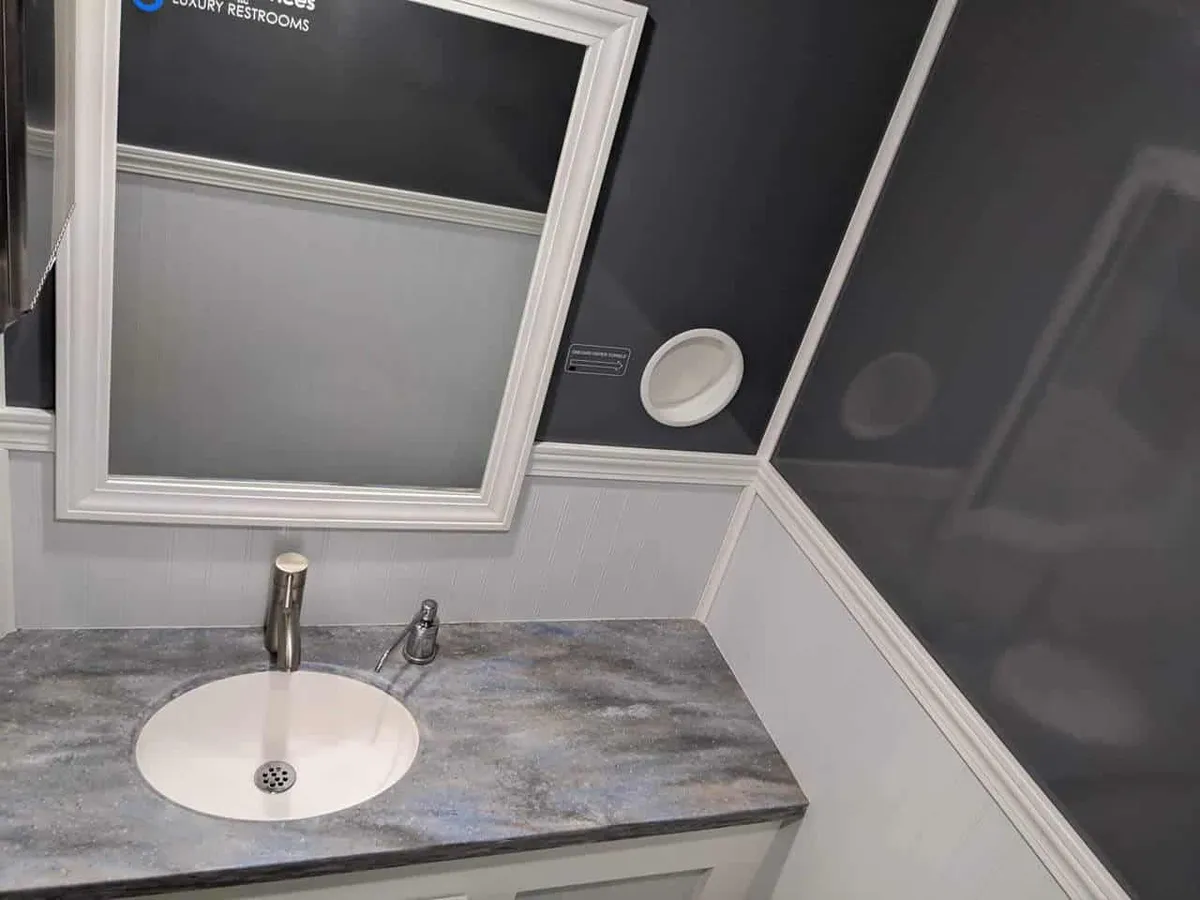
Base camp serves as the operational heart of any film or television production shooting on location in Texas. This central hub—where cast trailers cluster, hair and makeup departments set up shop, wardrobe operates, and crews gather between setups—requires infrastructure that supports hundreds of people throughout long production days. Restroom facilities are a critical component of base camp planning, directly impacting crew morale, operational efficiency, and the overall professionalism of your production.
Understanding Base Camp Operations
Base camp functions as a production’s home away from home during location shooting. While camera crews work at the shooting location—which may be minutes or miles away—base camp provides essential support services that keep the production running smoothly.
Cast members return to base camp between calls for wardrobe changes, touch-ups, meals, and rest. Support departments like hair, makeup, and wardrobe maintain their operations here throughout the shooting day. Production offices handle logistics and communication. And crew members use base camp facilities during breaks and meals.
This concentrated activity creates significant demand for restroom facilities. Unlike the shooting location where smaller teams work at any given time, base camp hosts the majority of your production personnel for substantial portions of each shooting day.
Capacity Planning for Base Camp
Proper base camp restroom capacity depends on your total production headcount and the rhythms of your shooting schedule. During peak periods—meals, company moves, and end-of-day wrap—base camp hosts nearly your entire crew simultaneously.
OSHA’s baseline requirement of one toilet per 20 workers provides a starting point, but professional productions typically exceed this ratio. For a production with 150 crew members, minimum compliance requires eight toilet facilities. Experienced line producers often plan for 10 to 12 facilities to prevent lines during peak usage and maintain facility quality through heavy use.
Consider your specific daily call sheet patterns. Days with large background counts require additional capacity. Split crew calls or second unit operations may shift base camp usage patterns. Build flexibility into your plan to accommodate these variations.
Facility Hierarchy at Base Camp
Film productions traditionally organize facilities according to a hierarchy that reflects industry conventions. Understanding this structure helps you plan appropriate facilities for each group within your production.
Above-the-line personnel—principal cast, directors, and key creative executives—typically receive dedicated facilities near their trailers. These are often premium single-occupancy units that provide privacy and convenience for individuals whose schedules and comfort directly impact production.
Department heads and key crew may have access to facilities separate from the general crew population. This allows efficient access for personnel who need to move quickly between base camp and set.
General crew facilities serve the broader workforce. Multi-station restroom trailers positioned centrally within base camp provide efficient service for camera, grip, electric, art department, and other technical crews.
Background holding areas, often positioned separately from main base camp, require their own facilities. The scale depends on your typical background counts, which can range from zero to several hundred depending on daily requirements.
Layout and Positioning
Strategic facility positioning within base camp affects both convenience and operational flow. Place facilities where they’re easily accessible from all major areas—cast trailers, department tents, catering, and parking—without creating congestion in high-traffic zones.
Consider the path between facilities and shooting locations. Crew members transitioning between base camp and set shouldn’t have to go far out of their way to access restrooms. Central positioning often works better than clustering facilities at one end of base camp.
Service vehicle access must be planned during layout. Restroom trailers require regular servicing, and service vehicles need clear paths to each unit. Position facilities where they can be serviced without disrupting other base camp operations.
Climate Control for Texas Productions
Texas climate demands climate-controlled restroom facilities throughout most of the year. Summer temperatures regularly exceed 100°F, making non-air-conditioned facilities essentially unusable. Winter shooting in north Texas can bring freezing conditions requiring heated facilities.
Our base camp restroom trailers feature air conditioning and heating systems that maintain comfortable interior temperatures regardless of exterior conditions. These systems run throughout the shooting day, ensuring facilities remain functional and pleasant during peak usage periods.
Beyond basic climate control, quality construction matters in Texas conditions. Insulated units maintain interior temperatures more efficiently. Sealed construction keeps dust and insects outside. Proper ventilation prevents the buildup of heat and humidity that can make facilities uncomfortable between cooling cycles.
Accessibility Requirements
Base camp must include accessible facilities for cast and crew members with disabilities. Our ADA-compliant restroom trailers meet federal requirements with features including ramp access, grab bars, wider doorways, and appropriately positioned fixtures.
Position accessible facilities where they’re genuinely accessible. This means level placement with clear pathways from all major base camp areas. Ground conditions at base camp locations—particularly unpaved lots or fields—can create challenges that require attention.
Include accessible units in proportion to your overall facility count. Industry guidance suggests at least one accessible facility per 20 standard facilities, but many productions exceed this minimum.
Service Requirements for Extended Productions
Base camp facilities see heavy, consistent use throughout production. Daily service is standard, typically scheduled during overnight hours so facilities are fresh when crew arrives each morning.
Service includes waste removal, cleaning, supply restocking (toilet paper, hand towels, soap), and any minor maintenance required. High-use days or particularly large crews may benefit from additional mid-day service during the lunch break.
Establish clear communication channels with your service provider. The transportation captain or production coordinator should have direct contact information for reporting issues or requesting unscheduled service. Quick response prevents small problems from becoming production disruptions.
Coordinating with Production Departments
Base camp facility management requires coordination across multiple production departments. Transportation typically handles physical placement and moves. Production coordinates contracts and communication with vendors. Locations may have specific requirements based on site agreements.
Establish clear responsibilities during prep. Who contacts the vendor for service issues? Who approves additional facilities if crew size increases? Who coordinates placement during base camp setup? Clear answers prevent confusion during production.
Include base camp facilities in your daily production meetings. Changes to crew size, schedule, or base camp location all affect facility needs. Keeping facilities on the daily agenda ensures adjustments happen proactively.
Multiple Base Camp Locations
Productions shooting at multiple locations may establish different base camps throughout the shooting schedule. Each base camp requires its own facility package appropriate to the anticipated crew presence at that location.
Some productions maintain a primary base camp while establishing smaller satellite camps at distant shooting locations. These satellite locations need scaled facility packages—fewer units than main base camp but still adequate for the personnel present.
Moving base camp entirely between locations requires coordinating facility relocation or arranging separate equipment at each site. We can help evaluate which approach makes sense for your specific shooting schedule and locations.
Long-Term Rental Arrangements
Feature films and television series maintain base camps for weeks or months of production. Long-term rental arrangements provide better rates than daily pricing and establish service expectations for the entire production period.
Include provisions for scaling in your rental agreement. Productions may need additional facilities during high-background days or reduced counts during smaller unit days. Flexible arrangements accommodate these variations without renegotiating terms each time.
Equipment maintenance becomes increasingly important over extended rental periods. Regular inspection and preventive maintenance keep facilities functioning properly throughout long productions. Establish expectations for equipment condition and replacement of worn items.
Budget Planning for Base Camp Facilities
Base camp restroom costs represent a meaningful but manageable portion of location department budgets. Proper planning balances adequate facilities against budget constraints without compromising crew welfare or regulatory compliance.
Factor in rental fees, delivery and pickup charges, and ongoing service costs when building your budget. Additional facilities for high-background days should be anticipated even if not needed every day.
Quality facilities often prove more cost-effective than minimum-standard options when considering the full picture. Better equipment requires less frequent service, generates fewer complaints, and contributes to the crew morale that keeps productions running efficiently.
Support Your Texas Production
Quality base camp restroom facilities contribute directly to successful productions. Comfortable, well-maintained facilities keep crews in good spirits through long shooting days and demonstrate the professionalism that attracts talent and builds production company reputations.
Our experience serving Texas film and television productions has developed the expertise and infrastructure necessary to support base camps of any size. From compact independent features to major studio productions, we provide the equipment, service, and responsiveness that production professionals expect.
Ready to discuss base camp restroom solutions for your Texas production? Contact us today for a consultation customized to your production’s specific needs and schedule.