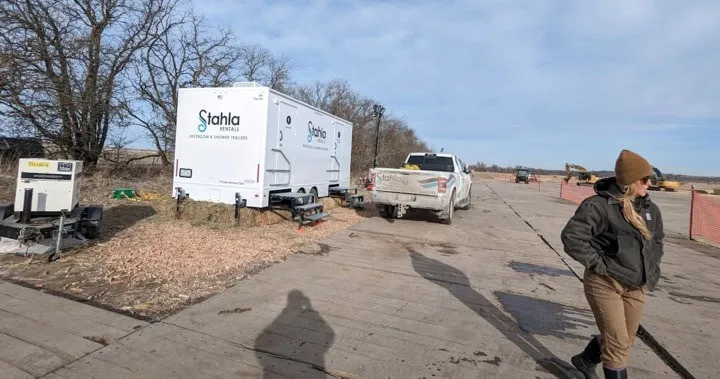
Demolition projects across Texas create unique sanitation challenges that differ from typical construction work. Whether bringing down a downtown Houston office tower, clearing structures for new development in Austin, or removing industrial facilities in the Permian Basin, demolition crews work in environments where existing building systems are non-functional and dust, debris, and safety hazards complicate facility access. Restroom trailers provide essential sanitation support for Texas demolition operations, offering clean, safe facilities positioned away from active demolition zones.
The Demanding Nature of Demolition Work
Demolition represents some of the most physically demanding construction work, requiring workers to manage heavy equipment, navigate unstable structures, and work in dusty, debris-filled environments. These conditions make quality restroom facilities especially important for worker health and morale.
Demolition sites lack the permanent facilities that existing buildings might otherwise provide. Once demolition begins, any restrooms within the structure become unusable—and often hazardous to access. All sanitation must come from temporary facilities positioned safely outside the demolition zone.
The physical nature of demolition work creates hygiene needs beyond typical construction. Workers handling debris, operating heavy equipment, and working in dusty conditions need thorough handwashing facilities with running water. Climate-controlled restroom facilities provide essential break areas away from harsh working conditions.
Safety Zone Considerations
Demolition sites establish safety zones around active work areas where falling debris, equipment operation, and structural collapse create hazards. Restroom facilities must be positioned outside these safety perimeters while remaining reasonably accessible to workers.
The safety zone moves as demolition progresses across a site. Facilities positioned appropriately for early demolition phases may need relocation as work advances. Plan for facility mobility throughout the demolition timeline, discussing relocation procedures with rental providers.
Clear access paths between work areas and restroom facilities ensure workers can reach facilities safely. Paths should avoid areas where debris might fall, equipment operates, or footing is unstable. Mark paths clearly and maintain them as site conditions change.
Dust and Debris Management
Demolition generates substantial dust that affects everything on site, including restroom facilities. Position trailers upwind when possible and at distances that minimize dust accumulation. Consider site prevailing winds when selecting placement locations.
Enclosed restroom trailers protect facilities from airborne debris better than open portable toilets. Climate control systems with filtered air intake maintain cleaner interior conditions. These features justify the premium over basic portable facilities in demolition environments.
More frequent cleaning service may be necessary on demolition sites. Dust and debris tracked into facilities requires additional cleaning attention. Discuss demolition site conditions with service providers to establish appropriate service schedules.
OSHA Requirements for Demolition Sites
Demolition projects fall under OSHA construction sanitation standards requiring one toilet facility per 20 workers. Demolition crews typically range from 10-30 workers for smaller projects to 50 or more for major demolition operations. Calculate requirements based on your peak workforce.
Handwashing with potable running water is particularly important on demolition sites where workers handle contaminated materials, old building components, and debris. Restroom trailers with integrated sinks provide this capability. Workers should thoroughly wash hands before eating, drinking, or leaving the site.
ADA-compliant restroom trailers ensure accessibility for workers with disabilities. Position accessible facilities on stable, level ground with clear approach paths. Maintain accessibility as site conditions change during demolition progress.
Hazardous Material Considerations
Many demolition projects involve structures containing asbestos, lead paint, or other hazardous materials. Workers handling these materials follow strict protocols including decontamination procedures. Restroom facilities for these workers may require special considerations.
Abatement workers typically have dedicated facilities separate from general demolition crews. Decontamination trailers may provide restroom facilities as part of containment protocols. Coordinate specialized facility needs with abatement contractors during project planning.
Standard demolition workers not involved in hazardous material handling should have separate facilities positioned away from abatement areas. Clear separation prevents cross-contamination and confusion about proper procedures.
Climate Control for Demolition Crews
Texas demolition work continues year-round, exposing crews to extreme summer heat and winter cold. Climate-controlled restroom trailers provide essential relief from harsh conditions that demolition workers face throughout their shifts.
Summer demolition is particularly demanding. Workers operating in direct sun, wearing protective equipment, and performing physical labor face serious heat stress. Air-conditioned restroom facilities provide cooling breaks that help prevent heat-related illness. The temperature inside a portable toilet on a summer afternoon can exceed 130 degrees—unacceptable conditions for workers already heat-stressed.
Winter heating maintains worker comfort during cold weather demolition. Workers moving between cold outdoor conditions and indoor break areas need consistent comfort. Heated trailers with freeze protection maintain operation during Texas winter cold snaps.
Site Evolution Throughout Demolition
Demolition sites transform dramatically as structures come down. Areas initially blocked by buildings become open space. Access routes change as debris removal creates new paths. Facility placement must adapt to this evolving environment.
Initial facility placement considers the complete demolition plan. Position trailers where they won’t interfere with demolition sequences, debris removal routes, or equipment staging. Plan for the entire demolition timeline rather than just initial conditions.
As the site clears, opportunities may arise to reposition facilities closer to remaining work areas. Maintaining reasonable access distance as demolition progresses requires periodic facility adjustments. Discuss relocation flexibility with rental providers.
Service Access and Logistics
Demolition sites present service access challenges. Heavy equipment operations, debris piles, and restricted traffic patterns may complicate service vehicle access. Coordinate service schedules with site operations to ensure reliable facility maintenance.
Early morning service before active demolition begins typically works well. This timing avoids conflicts with equipment operations and ensures fresh facilities at shift start. Discuss site access requirements with service providers during rental arrangements.
Emergency service availability handles unexpected situations. If facilities become inaccessible due to debris or equipment positioning, alternative arrangements may be necessary. Establish communication protocols with service providers for urgent situations.
Urban Demolition Considerations
Urban demolition in Texas cities faces space constraints that rural projects don’t encounter. Downtown sites may have limited ground area for facility placement. Neighboring properties, sidewalks, and streets constrain positioning options.
Compact restroom trailer configurations maximize capacity in limited space. Multi-station units provide more facilities per square foot of footprint than multiple individual units. Discuss space constraints with rental providers to identify appropriate equipment.
Street or sidewalk permits may be required for trailer placement in urban locations. Coordinate with local authorities regarding permit requirements and placement restrictions. Some jurisdictions have specific requirements for construction facility placement.
Subcontractor Coordination
Demolition projects often involve multiple contractors—general demolition crews, abatement specialists, salvage operators, and debris removal teams. General contractors typically provide restroom facilities for all workers, but clear communication about facility access and locations prevents confusion.
Include facility information in subcontractor orientation and safety meetings. Workers arriving on site should know where facilities are located and how to access them safely. Update information as site conditions and facility positions change.
Peak overlap periods when multiple crews work simultaneously create highest facility demand. Plan capacity for these overlap periods rather than individual crew sizes.
Project Duration Planning
Demolition project timelines vary significantly based on structure size and complexity. Small building demolition might complete in days, while major structure demolition can span months. Match facility rental arrangements to your project timeline.
Short-term demolition projects may use weekly rental arrangements with flexibility for early removal once work completes. Extended demolition projects benefit from monthly rental agreements with better pricing structures.
Consider the full project scope including debris removal and site clearing that follows active demolition. Workers remain on site during these phases and continue needing facility access until the site is fully cleared.
Planning Your Demolition Site Restroom Strategy
Successful sanitation planning for Texas demolition projects begins with understanding your site’s safety zones, access patterns, and evolution throughout the demolition process. Identify placement locations that provide safe access while avoiding interference with demolition operations.
Working with experienced Texas restroom trailer providers ensures appropriate recommendations for demolition project challenges. Providers familiar with construction site dynamics understand safety considerations, dust management, and access logistics that affect facility planning on demolition sites.
Quality restroom facilities support demolition crews working in demanding conditions. The investment in proper sanitation demonstrates commitment to worker welfare and professional standards on projects that transform Texas landscapes. Request a quote today to discuss restroom trailer solutions for your Texas demolition project.