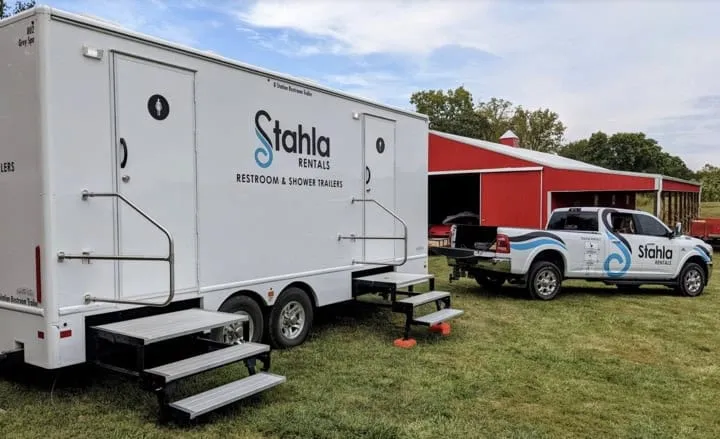
The Eagle Ford Shale stretching across South Texas from the Mexican border to East Texas has transformed the regional economy while creating substantial demand for oilfield services, including worker sanitation solutions. This prolific oil and gas play operates in conditions distinct from West Texas—higher humidity, dense brush country, and significant wildlife considerations—requiring restroom solutions tailored to South Texas operations. Restroom trailers provide the comfortable, self-contained facilities that Eagle Ford crews depend on.
Eagle Ford Operating Environment
The Eagle Ford Shale spans a crescent-shaped region from Webb County near Laredo northeast through Dimmit, La Salle, McMullen, and Live Oak counties, extending into Karnes, DeWitt, and Gonzales counties. This geographic diversity creates varying conditions across the play—from arid brush country in the southwest to more humid conditions in the northeast.
Summer heat in the Eagle Ford matches West Texas intensity, with temperatures regularly exceeding 100 degrees. However, South Texas humidity amplifies heat stress, making climate-controlled facilities even more essential for worker welfare. The combination of high temperature and high humidity creates dangerous working conditions that quality facilities help mitigate.
Much of the Eagle Ford operates on ranch land, with oil and gas development coexisting with agricultural operations. Landowner relations require attention to facility appearance and environmental management. Professional restroom trailers demonstrate the operational standards that maintain positive landowner relationships.
Climate Control Considerations
South Texas humidity creates distinct climate control challenges compared to the dry heat of West Texas. Air conditioning must handle both cooling and dehumidification to maintain comfortable interior conditions. Units designed for humid climates perform better than those optimized for dry conditions.
Summer afternoon heat indexes in the Eagle Ford often exceed 110 degrees when humidity factors are considered. Workers already stressed by these conditions need cool, dry facilities for breaks. Standard portable toilets become unbearable steam rooms in these conditions—air-conditioned restroom trailers provide essential relief.
Winter in South Texas rarely brings extended freezing conditions, but cold fronts can drop temperatures below freezing for brief periods. Heated restroom trailers with basic freeze protection handle these occasional cold snaps without the heavy-duty winterization required further north.
Drilling and Completion Operations
Eagle Ford drilling operations follow patterns similar to other shale plays, with drilling rigs operating continuously during well construction. Crews work 12-hour shifts, often for multi-week hitches. Restroom facilities must serve both day and night crews throughout drilling operations.
Completion operations—hydraulic fracturing and well stimulation—bring large temporary workforces to individual well sites. These intensive operations may involve 50-100 workers for several days per well. Mobile restroom trailers that move with completion crews ensure facilities are available wherever work occurs.
Multi-well pad development concentrates activity at single locations for extended periods. As operators drill multiple wells from single pads, facilities serve ongoing operations for months. Semi-permanent restroom installations at active pads reduce the logistics of frequent facility moves.
Pipeline and Midstream Infrastructure
Eagle Ford production requires extensive pipeline infrastructure connecting wells to processing facilities, terminals, and transmission systems. Pipeline construction creates distributed workforce requirements across extended corridors, requiring sanitation solutions that serve crews across miles of right-of-way.
Gathering system construction connects individual wells and well pads to centralized facilities. These projects often involve trenching through brush country, with crews working in areas accessible only via newly cut paths. Mobile facilities that can navigate these conditions ensure worker access.
Processing plants and compressor stations represent fixed locations with ongoing workforce presence. Quality restroom trailers at these facilities serve both construction workers during buildout and operations personnel once facilities are operational.
Wildlife and Environmental Considerations
South Texas brush country hosts significant wildlife populations, including venomous snakes, feral hogs, and various insects. Restroom facility design and placement should minimize wildlife encounters. Enclosed trailers with steps and proper lighting reduce risks compared to ground-level facilities.
Evening and nighttime restroom access in brush country requires attention to lighting and clear paths. Well-lit approaches to facilities help workers avoid wildlife encounters during darker hours. Consider solar-powered exterior lighting for facilities without reliable power connections.
Environmental compliance requires proper waste disposal from all facilities. Licensed service providers handle waste according to applicable regulations. Documentation of proper disposal protects against environmental liability and satisfies landowner concerns.
Landowner Relations
Eagle Ford operations often occur on active ranches where oil and gas coexists with cattle operations and wildlife management. Landowner relationships depend partly on how operators maintain their facilities and conduct operations on the property.
Clean, professional restroom trailers demonstrate operational standards that reassure landowners about overall practices. Neglected or poorly maintained facilities suggest broader operational concerns that damage relationships with property owners.
Position facilities where they minimize impact on ranch operations. Avoid blocking access routes, interfering with livestock movements, or creating visual impacts near ranch headquarters. Discuss placement with landowners when appropriate to address any specific concerns.
Remote Location Operations
While the Eagle Ford is generally closer to population centers than the Permian Basin, many well locations remain remote from utilities and services. Self-contained restroom trailers with onboard water, waste holding, and generator power operate effectively at locations without infrastructure.
Service logistics benefit from the region’s relatively developed road network compared to more remote areas. Most Eagle Ford locations are accessible via county roads, simplifying service vehicle access and reducing service costs compared to truly remote locations.
Some locations offer utility connections—particularly sites near existing production facilities or populated areas. Where connections are available, utilizing utilities reduces operating costs and ensures more consistent facility operation.
ADA Accessibility
ADA-compliant restroom trailers ensure accessibility at Eagle Ford locations where workers or visitors with disabilities require accommodation. Office locations, equipment yards, and accessible work areas should include ADA-compliant facilities.
Oilfield injuries sometimes create temporary accessibility needs for workers recovering from incidents. Having accessible facilities available ensures continued employment accommodation during recovery periods.
Landowner visits, regulatory inspections, and investor tours may bring visitors requiring accessibility. Professional operators ensure facilities can accommodate all visitors appropriately.
Service Provider Network
The Eagle Ford’s proximity to San Antonio, Corpus Christi, and other South Texas cities provides access to service providers based in these population centers. This proximity generally ensures more reliable service availability than more remote operating areas.
During peak activity periods, demand for services can strain provider capacity. Establishing service relationships during planning phases ensures priority attention when activity increases. Long-term relationships with reliable providers pay dividends during busy periods.
Service frequency depends on workforce size and facility usage. Active drilling operations may require twice-weekly service, while lower-activity production sites might manage with weekly service. Adjust schedules based on observed usage patterns.
Seasonal Considerations
Eagle Ford operations continue year-round, with different seasonal challenges. Summer brings extreme heat and humidity requiring robust air conditioning. Fall and spring offer more moderate conditions but may bring severe weather including thunderstorms and occasional tornadoes.
Hurricane season affects the eastern portions of the play, with tropical systems occasionally impacting operations. Facilities should be secured during severe weather threats, and contingency plans should address potential service disruptions.
Winter hunting season brings increased activity on ranch properties. Coordinate facility placement and access with landowners who may have hunting lease obligations affecting property use during certain periods.
Planning Your Eagle Ford Restroom Strategy
Successful sanitation planning for Eagle Ford operations requires understanding the unique characteristics of South Texas operations—humid heat, brush country conditions, and active ranch environments. Identify facility requirements for each operation type and plan solutions that address regional challenges.
Working with experienced Texas restroom trailer providers ensures appropriate recommendations for Eagle Ford conditions. Providers familiar with South Texas understand humid climate demands, wildlife considerations, and landowner relations that affect facility planning in the region.
Quality restroom facilities support the workforce developing Eagle Ford resources. The investment in proper sanitation demonstrates commitment to worker welfare while maintaining the professional standards that preserve landowner relationships. Request a quote today to discuss restroom trailer solutions for your Eagle Ford operation.