Flooding represents Texas’ most frequent and costly natural disaster. From slow-rising riverine floods to flash floods that strike with little warning, water damage affects communities across the state every year. The aftermath of flooding creates immediate sanitation challenges—damaged water systems, contaminated wells, flooded septic systems, and homes where plumbing no longer functions. Understanding how restroom trailers support flood recovery helps communities respond more effectively when waters recede.
Texas Flood Reality
Texas geography creates extraordinary flood vulnerability. The state sits where Gulf moisture meets terrain that funnels water into river systems. Flash floods strike Hill Country creeks with terrifying speed. Coastal areas face flooding from tropical systems. Major rivers including the Trinity, Brazos, and Colorado overflow during heavy rain events. Even urban areas with extensive drainage systems experience flooding when rainfall exceeds design capacity.
Hurricane Harvey demonstrated the catastrophic potential of Texas flooding. Over four days in August 2017, parts of the Houston area received more than 60 inches of rain—a 500-year flood event that displaced hundreds of thousands of residents. Recovery operations extended for months, with sanitation needs persisting long after floodwaters receded.
Lesser floods occur regularly throughout Texas, affecting communities of all sizes. Even localized flooding can damage enough homes and infrastructure to create sanitation emergencies requiring portable facility support.
How Flooding Affects Sanitation Infrastructure
Floodwaters damage sanitation infrastructure at every level. Municipal water treatment plants flood, losing ability to produce safe drinking water. Lift stations that pump sewage through collection systems lose power or flood completely. Water lines break under flood stress or become contaminated when floodwaters enter the system.
Private systems suffer equally. Septic tanks flood and fail, potentially contaminating surrounding areas. Well casings crack or floodwaters contaminate aquifers. Home plumbing damaged by floodwaters requires professional repair before use.
Even when systems remain physically intact, contamination concerns may prevent use until testing confirms safety. This gap—between flood recession and infrastructure restoration—creates the window where portable sanitation becomes essential.
Immediate Post-Flood Sanitation Needs
As floodwaters recede, sanitation needs emerge immediately. Residents returning to assess damage need restroom access. Cleanup crews beginning the massive task of debris removal and muck-out need facilities. Emergency responders continuing operations need support at staging areas.
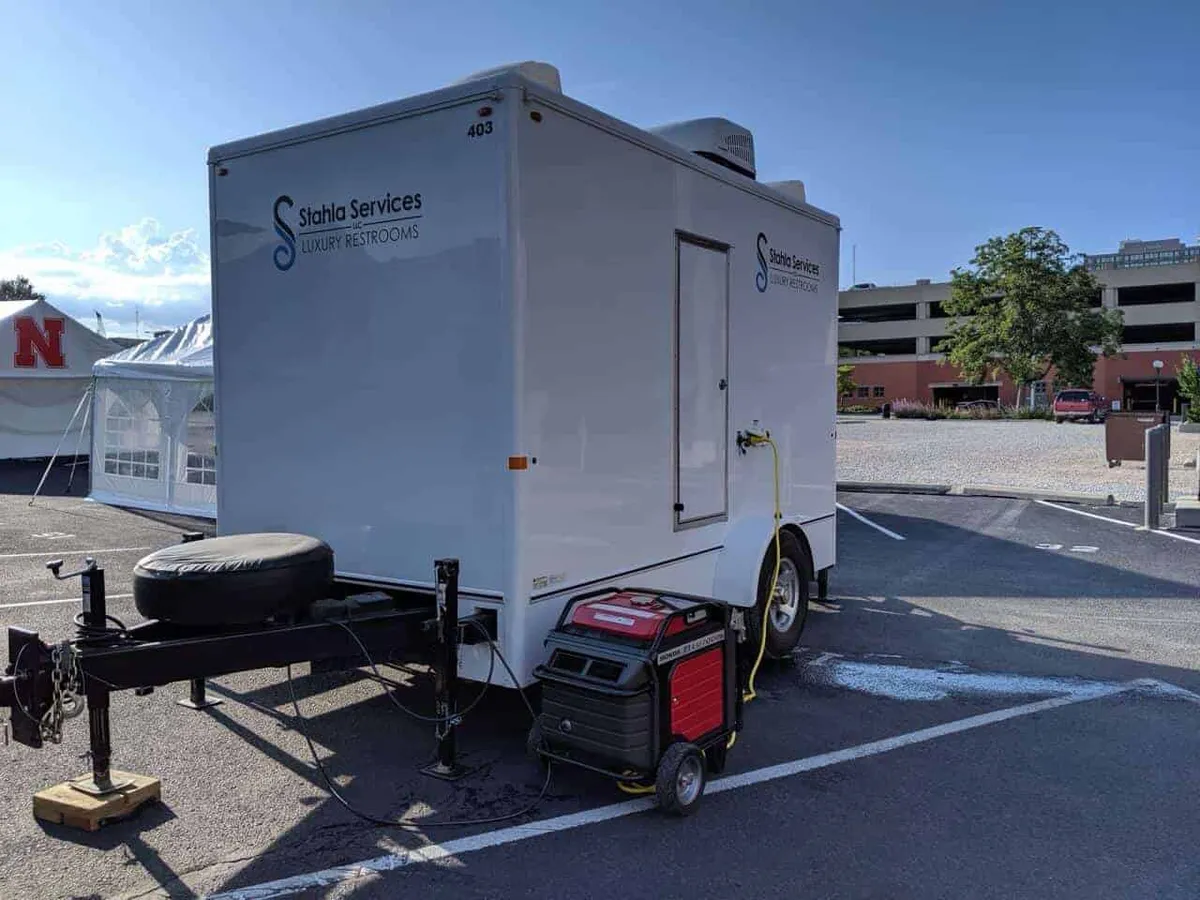
Self-contained restroom trailers provide the independent sanitation these situations demand. With onboard water, waste containment, and power capability, these units function without depending on damaged infrastructure.
Position initial deployments at locations where people concentrate—shelters, staging areas, major access points to affected neighborhoods, and points of distribution. As recovery progresses, deployments can spread into affected neighborhoods where residents are working to salvage and rebuild.
Supporting Displaced Residents
Flood displacement can last weeks or months depending on damage severity. Shelters housing displaced residents require sanitation capacity exceeding what permanent facilities can provide, particularly when shelters operate at high occupancy.
Restroom trailers at shelters provide the dignified, clean facilities that displaced residents need during an already difficult time. Multi-station units efficiently serve large shelter populations while maintaining privacy and quality.
As shelter populations transition to temporary housing or return home, facility needs shift. Maintain communication with shelter operators to adjust deployments as populations change.
Cleanup and Recovery Worker Support
Flood recovery requires massive labor—professional crews, volunteers, and residents themselves tackling the enormous job of cleaning and rebuilding. All these workers need sanitation facilities throughout the recovery period.
Professional restoration crews working in flood-damaged areas need facilities near their work sites. Volunteer organizations coordinating cleanup efforts need facilities at their staging areas. Residents spending long days working on their homes need access to sanitation when their own facilities remain unusable.
Positioning facilities throughout affected areas—at neighborhood staging points, major intersections, or wherever workers concentrate—supports the sustained effort recovery requires.
Accessibility During Flood Recovery
Flood recovery must accommodate all community members, including those with disabilities. Our ADA-compliant restroom trailers ensure that accessible facilities remain available throughout recovery operations.
Flood conditions create particular accessibility challenges. Mud, debris, uneven terrain, and standing water can all create barriers. Position accessible facilities where they can be reached safely, and work to maintain accessible pathways as conditions change during recovery.
Include accessible units at every major deployment location—shelters, distribution points, and neighborhood staging areas. Adequate accessible capacity ensures the entire community can participate in recovery.
Contamination Awareness
Floodwaters are contaminated—with sewage, agricultural runoff, industrial chemicals, and countless other hazards. This contamination persists in mud and debris even after water recedes. Sanitation facilities in flood zones must account for these conditions.
Hand washing becomes critically important in post-flood environments. Facilities with running water and soap support the hygiene practices that prevent illness in contaminated conditions. Quality restroom trailers with proper handwashing stations contribute to public health during recovery.
Position facilities away from standing water, heavy contamination, or areas with visible hazards. Maintain facilities carefully in post-flood environments, as conditions can accelerate equipment wear.
Power and Water Independence
Flood damage typically disrupts power and water service for extended periods. Restroom facilities must operate independently of these utilities throughout the recovery period.
Generator power maintains climate control, lighting, and water systems in facilities deployed to areas without electrical service. Plan for fuel logistics that keep generators running throughout extended deployments.
Self-contained water systems eliminate dependence on municipal water that may be unavailable or contaminated. Size water capacity for expected usage between refills, and establish water delivery schedules that maintain supply.
Extended Recovery Timelines
Flood recovery extends far beyond the initial emergency response. Homes require extensive restoration before they’re habitable. Infrastructure repairs take months. Full community recovery can take years for severe flood events.
Sanitation support must persist throughout this extended timeline, though needs evolve as recovery progresses. Initial emergency deployments may give way to longer-term arrangements supporting ongoing restoration work.
Flexible rental arrangements accommodate these changing needs. As some areas recover faster than others, facilities can be redeployed to locations with ongoing needs.
Coordination with Recovery Operations
Effective flood recovery involves coordination across many organizations—emergency management, voluntary disaster organizations, faith-based groups, professional contractors, and countless others. Sanitation support must integrate with this broader recovery ecosystem.
Work with recovery leadership to understand where facilities are needed and how long they’ll be required. Participate in coordination meetings to stay informed about changing recovery operations.
Documentation of facility deployments supports cost recovery through FEMA and other programs. Maintain records of all deployments, service, and costs.
Service Challenges in Flood Zones
Servicing facilities in flood-affected areas presents unique challenges. Roads may remain damaged or difficult to navigate. Access to some areas may be limited by ongoing flooding or debris. Service crews must navigate these conditions to maintain facility function.
Communication about access conditions helps ensure service reaches all deployed facilities. Notify your provider about road closures, access restrictions, or changed conditions that might affect service.
Size facilities for potentially extended service intervals during the immediate aftermath. As road conditions improve, service can return to normal frequencies.
Supporting Texas Flood Recovery
Quality sanitation facilities support flood recovery by maintaining health, supporting dignity, and enabling the sustained work that restoration requires. Communities that plan for flood sanitation needs recover faster and serve their residents better during difficult times.
Our experience serving Texas flood recovery operations has developed the capabilities and understanding necessary for effective support in these challenging conditions. We know how to deploy in flood-affected areas and maintain service through extended recovery operations.
Ready to discuss flood preparedness planning or current recovery needs? Contact us today to develop sanitation solutions for your community’s flood response.