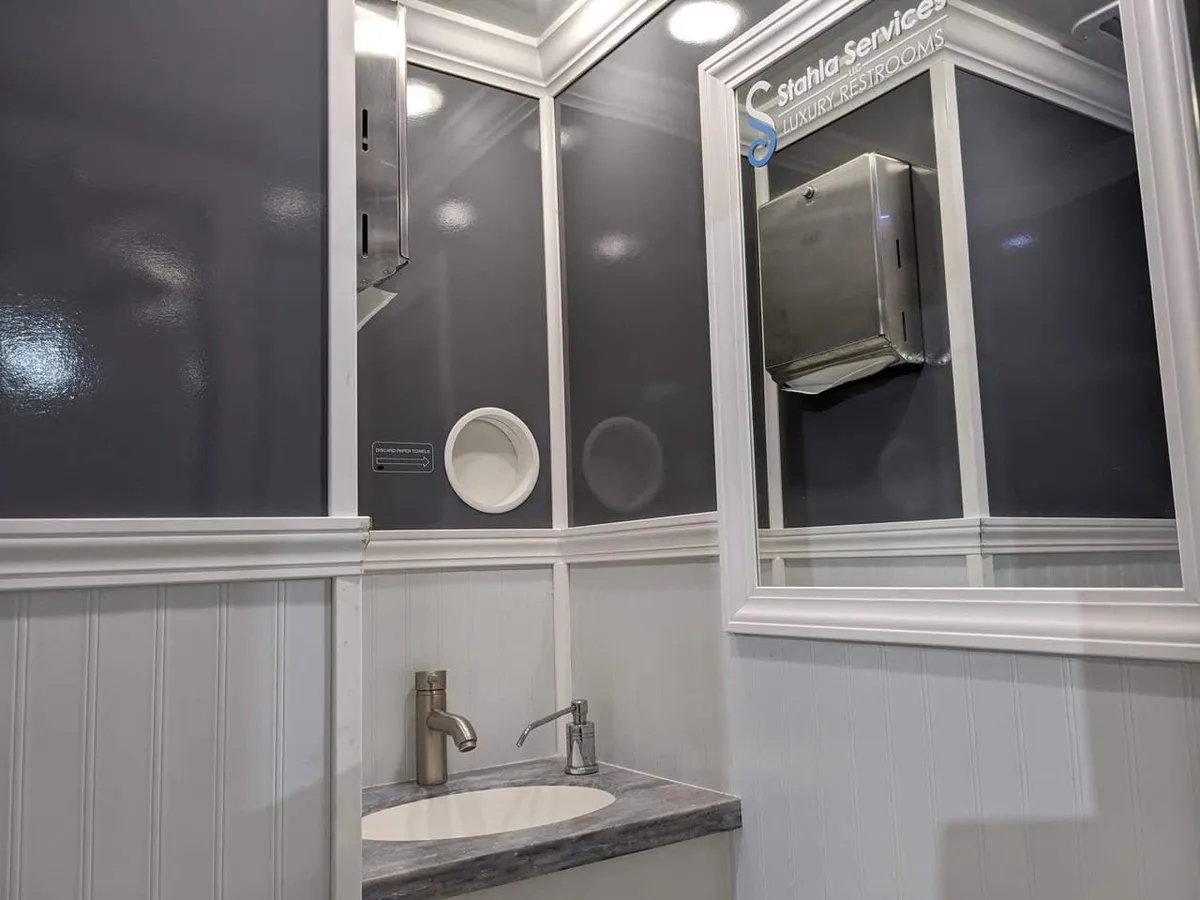
Texas has become a global leader in liquefied natural gas exports, with massive LNG facilities under construction and expansion along the Gulf Coast. These multi-billion dollar projects employ thousands of workers over multi-year construction periods in some of the state’s most challenging coastal conditions. The scale, complexity, and environmental demands of LNG construction require comprehensive sanitation planning using restroom trailers designed for large industrial projects.
Understanding LNG Project Scale
Major LNG export terminal construction projects rank among the largest industrial construction efforts in Texas history. Peak workforces can exceed 5,000 workers on a single project, with construction spanning 4-6 years or longer. These massive, extended projects require sanitation infrastructure approaching that of small cities.
Construction proceeds through distinct phases—site preparation, foundation work, modular construction, piping, electrical systems, and commissioning—each with different workforce distributions and facility needs. Sanitation planning must adapt as the project evolves through these phases.
Multiple contractors work simultaneously on different aspects of construction. Coordinating facilities across this complex contractor structure requires systematic planning and clear responsibility assignments. General contractors typically provide site-wide facilities, with specific allocations for major subcontractor areas.
Gulf Coast Climate Challenges
LNG facilities locate on the Texas Gulf Coast, where high humidity combines with summer heat to create dangerous working conditions. Heat index values regularly exceed 110 degrees during summer months. Workers in safety equipment performing physical labor face severe heat stress throughout the warm season.
Air-conditioned restroom trailers provide essential cooling relief during breaks. Workers overheated from field work desperately need cool, dry environments to recover before returning to tasks. Climate-controlled facilities encourage the hydration and rest that prevent heat-related illness.
Coastal humidity affects facility maintenance beyond temperature control. Higher humidity encourages mold and mildew if facilities aren’t properly maintained. Discuss humidity management with service providers to ensure facilities remain clean and healthy throughout construction.
Hurricane Season Considerations
Gulf Coast construction operates under hurricane threat from June through November. LNG project planning must address facility protection during tropical weather events. Restroom trailers should be secured or relocated before significant storm threats.
Develop hurricane preparation plans for all temporary facilities. Identify secure locations where trailers can be protected from wind damage. Establish trigger points for facility relocation based on storm tracks and intensity forecasts.
Post-storm recovery may require rapid facility redeployment. Workers returning to sites after evacuation need immediate access to sanitation. Coordinate with providers regarding post-storm response capabilities and priority service arrangements.
OSHA Requirements at Large Scale
Projects with thousands of workers require substantial facility capacity under OSHA standards. A 4,000-worker site needs at least 80 toilet facilities and 80 urinals as minimum baseline. Practical requirements typically exceed these minimums due to workforce distribution across large sites.
Handwashing with potable running water remains essential, particularly on industrial sites where workers handle various materials. Restroom trailers with integrated sinks provide compliant handwashing throughout the site. Adequate handwashing capacity supports both hygiene and safety.
ADA-compliant restroom trailers must be distributed across the site to serve workers with disabilities. Large projects will employ workers requiring accessibility, and facilities should be available in all major work areas rather than concentrated in single locations.
Strategic Facility Distribution
LNG construction sites span hundreds of acres, with simultaneous work occurring across extensive areas. Workers cannot travel excessive distances for restroom access without significant productivity loss. Strategic facility distribution minimizes travel time while ensuring adequate capacity throughout the site.
Map work areas during planning and position facility clusters near major activity zones. Consider locating facilities near contractor staging areas, break locations, and high-concentration work zones. Workers should be able to reach facilities within reasonable walking distance from any work location.
As construction progresses and work concentrations shift, facility distribution should adapt accordingly. Regular review of facility positioning ensures continued appropriate coverage as the project evolves. Relocating facilities to serve changing work patterns maintains access efficiency.
Multi-Year Planning
LNG construction spanning 4-6 years requires long-term sanitation planning that differs from shorter projects. Multi-year rental agreements establish predictable costs and service relationships throughout construction. Negotiate extended terms during project planning to establish favorable arrangements.
Workforce levels fluctuate dramatically through project phases. Early site work may involve a few hundred workers, while peak construction phases employ several thousand. Plan facility capacity that scales with workforce changes, adding units during buildup and reducing during tapering phases.
Equipment condition matters over multi-year rentals. Discuss replacement and refurbishment policies to ensure facilities remain in acceptable condition throughout extended projects. Quality providers maintain their equipment and address issues promptly regardless of rental duration.
Security and Access Control
LNG facilities operate under strict security protocols throughout construction. All personnel and vehicles accessing the site pass through security checkpoints. Restroom service providers must obtain appropriate credentials and follow site access procedures.
Coordinate service access with security requirements during planning. Establish badge procedures and access schedules that work within security constraints while maintaining reliable facility service. Early coordination prevents access delays that could affect service quality.
Position some facilities near gate areas for workers entering or leaving the site. These locations experience high traffic during shift changes and benefit from convenient restroom access. Gate-area facilities require higher capacity to handle concentrated demand.
Contractor Coordination
Major LNG projects involve dozens of contractors working on different construction aspects. Clear facility assignments prevent confusion and ensure adequate capacity for each contractor’s workforce. Documentation of assignments supports accountability for facility condition and use.
Communicate facility locations and assignments during contractor mobilization. Include facility information in site orientations and safety briefings. Workers should know where their designated facilities are located from their first day on site.
Some facilities may serve common areas accessible to all workers. These shared facilities require higher capacity and more frequent service to handle diverse user populations. Clear signage helps workers identify appropriate facilities for their areas.
Environmental Compliance
LNG facilities operate under strict environmental permits that may include provisions for construction activities. Proper waste management from restroom facilities demonstrates environmental responsibility and supports permit compliance.
Work with licensed service providers who properly dispose of waste and maintain documentation. Records of proper waste handling may be required by regulatory agencies or permit conditions. Maintain service records throughout construction for compliance verification.
Coastal locations require particular attention to environmental protection. Prevent any potential for waste release to coastal waters or sensitive areas. Position facilities away from drainage paths and water features.
Service Logistics for Major Sites
Serving facilities across major LNG construction sites requires substantial service resources. Sites with 80+ facilities need service arrangements beyond standard route-based service. Dedicated service crews may be necessary to maintain facilities serving thousands of workers.
Coordinate service schedules with site access requirements and work patterns. Service during shift changes may be impractical; early morning or evening service often works better. Establish schedules that work within site constraints while maintaining facility quality.
Emergency service response becomes critical at this scale. Facility problems affecting thousands of workers require rapid resolution. Establish clear communication channels and response expectations with service providers.
Planning Your LNG Project Restroom Strategy
Successful sanitation planning for Texas LNG construction requires understanding the unique scale, duration, and environmental challenges these projects present. Calculate requirements based on peak workforce, plan for multi-year duration, and address coastal climate considerations throughout planning.
Working with experienced Texas restroom trailer providers ensures appropriate recommendations for major LNG construction. Providers serving Gulf Coast industrial projects understand the scale, security requirements, and environmental considerations that affect facility planning for these significant developments.
Quality restroom facilities support the productive workforce building Texas LNG infrastructure. The investment in proper sanitation contributes to project success while maintaining the worker welfare that attracts experienced construction professionals to these significant projects. Request a quote today to discuss restroom trailer solutions for your Texas LNG construction project.