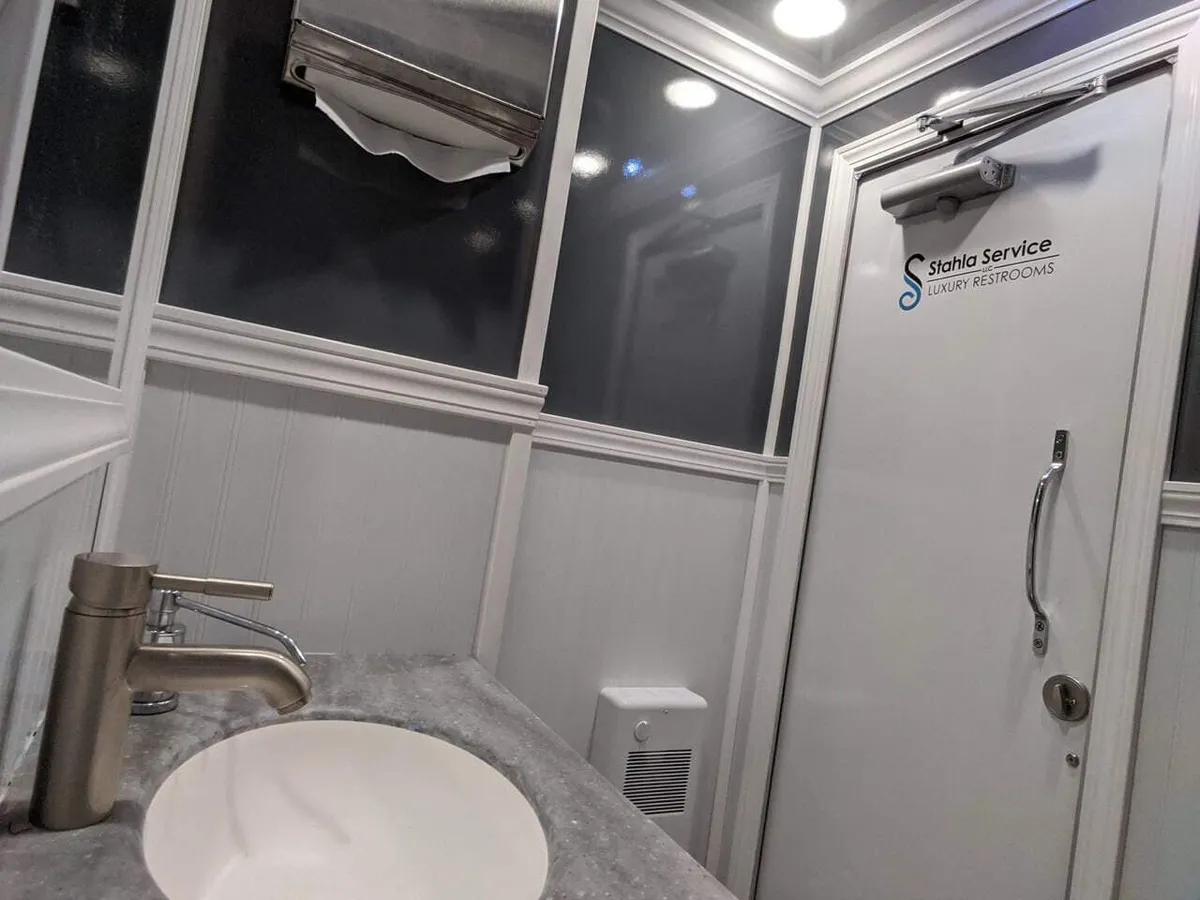
As a general contractor in Texas, you’re responsible for every aspect of job site operations—including worker sanitation. The restroom facilities you provide affect OSHA compliance, worker productivity, project safety, and your company’s professional reputation. This comprehensive guide covers everything Texas general contractors need to know about restroom trailer rentals, from regulatory requirements to practical implementation strategies that support successful project delivery.
Understanding Your Sanitation Responsibilities
General contractors bear primary responsibility for job site sanitation under OSHA regulations. While subcontractors bring their own workers, the general contractor typically provides restroom facilities for all workers on site. This responsibility includes ensuring adequate capacity, proper placement, regular maintenance, and ADA accessibility compliance.
Subcontract provisions should clearly address how sanitation costs are allocated. Most general contractors include language requiring subcontractors to use provided facilities and contribute proportionally to sanitation costs. Clear agreements prevent disputes and ensure adequate facilities for all workers.
The quality of restroom facilities reflects on your company’s professional standards. Clients, inspectors, and subcontractors all notice site conditions. Providing comfortable, well-maintained facilities demonstrates attention to worker welfare and project quality—characteristics that influence future contract opportunities.
OSHA Compliance Essentials
OSHA Standard 1926.51 establishes minimum sanitation requirements for construction sites. Understanding these requirements helps you plan appropriate facilities while avoiding compliance violations that could result in citations and penalties.
The basic toilet facility requirement provides: one facility for sites with 20 or fewer workers, one toilet and one urinal per 40 workers for sites with 20-200 workers, and one toilet and one urinal per 50 workers for larger sites. These minimums establish the baseline—practical considerations often require exceeding these numbers.
Handwashing requirements mandate potable running water, soap, and single-use towels or hand dryers. Standard portable toilets with only hand sanitizer don’t meet this requirement. Restroom trailers include integrated handwashing facilities, providing compliance without additional equipment.
ADA-compliant restroom trailers are required when employing workers with disabilities. Smart contractors include accessible facilities on all job sites, ensuring immediate accommodation for any worker requiring accessibility features.
Choosing Between Portable Toilets and Restroom Trailers
General contractors often face the choice between traditional portable toilets and restroom trailers. While portable toilets cost less initially, restroom trailers offer advantages that often justify their premium, particularly for projects lasting more than a few weeks.
Climate control represents the most significant advantage for Texas projects. When summer temperatures exceed 100 degrees, portable toilet interiors can exceed 130 degrees—conditions that discourage use and contribute to dehydration as workers limit fluid intake. Air-conditioned restroom trailers maintain comfortable temperatures that encourage proper hydration and regular facility use.
Running water for handwashing provides health and compliance benefits that portable toilets cannot match. Construction workers handle various materials requiring thorough handwashing. Restroom trailers with hot and cold water, soap, and paper towels support proper hygiene without requiring separate handwashing stations.
Worker satisfaction and retention increasingly influence facility decisions. In Texas’s competitive construction labor market, job site conditions affect whether skilled workers choose your projects. Quality restroom facilities demonstrate respect for workers and contribute to positive job site environments.
Sizing Facilities for Your Projects
Calculating appropriate restroom capacity requires considering peak workforce numbers, not average or current staffing. Construction projects fluctuate significantly—early phases may involve 30 workers while peak construction employs 150. Plan facilities for peak periods to avoid mid-project scrambles for additional capacity.
Consider workforce distribution across large sites. Workers can’t reasonably travel excessive distances for restroom breaks. For projects spanning significant areas, multiple facility locations maintain productivity by minimizing travel time. The cost of additional units often pays for itself in reduced lost work time.
Peak demand periods—break times and lunch hours—concentrate facility usage. During these periods, 10-15% of your workforce may need facilities within short windows. Adequate capacity during peaks prevents frustrating queues and lost productivity.
Strategic Facility Placement
Proper placement balances accessibility with practical constraints. Position facilities where workers can reach them without excessive travel while avoiding interference with construction activities, equipment movement, and material staging.
Consider site access for service vehicles. Regular service visits require vehicle access to each facility location. Ensure service vehicles can reach facilities without navigating active construction areas or becoming trapped by site conditions.
Plan for facility relocation as projects progress. Areas suitable for facilities during early phases may become construction zones later. Discuss relocation requirements with rental providers and ensure arrangements accommodate moves as project conditions change.
Managing Service and Maintenance
Regular service maintains facility hygiene and function. Standard service includes waste tank pumping, freshwater replenishment, supply restocking, and cleaning. Service frequency depends on workforce size and usage patterns—typically weekly for moderate usage, twice-weekly for larger workforces.
Coordinate service schedules with site operations. Early morning service before workers arrive ensures fresh conditions throughout the workday. Avoid scheduling service during peak work periods when facility access is most needed.
Establish emergency service provisions for unexpected situations. Facility malfunctions or unusually high usage may require immediate attention. Clear communication channels with service providers enable rapid response when problems arise.
Budgeting and Cost Management
Restroom costs should be included in project budgets from initial estimating. Base rental rates plus anticipated service costs provide the core expense projection. Add contingency for potential capacity increases or unexpected needs.
Multi-month or multi-year rental agreements typically offer better pricing than month-to-month arrangements. For projects with defined timelines, negotiate extended terms at project start to establish favorable rates for the entire duration.
Consider total cost of ownership rather than base rental rates alone. Restroom trailers may cost more than portable toilets, but often include more comprehensive service. When comparing options, ensure you’re comparing equivalent service levels and all associated costs.
Documentation and Compliance Records
Maintaining documentation protects against claims and demonstrates compliance during inspections. Key records include rental agreements specifying facility quantities and service schedules, service logs showing maintenance visits, and any communications regarding facility issues.
Site safety plans should address sanitation provisions, including facility locations, quantities, and emergency procedures. Regular safety meetings can remind workers of proper facility use and maintenance reporting procedures.
Retain service records from rental providers documenting maintenance activities. These records demonstrate consistent attention to facility maintenance and proper waste disposal—protection against potential claims of negligence or environmental violations.
Subcontractor Communication
Clear communication about facilities helps subcontractors plan their work and prevents confusion. Include facility information in pre-construction meetings, providing locations, access procedures, and expectations for proper use.
Update subcontractors when facility positions change or additional units are added. Workers unfamiliar with site layout need clear directions to facilities, particularly on large or complex sites.
Address any facility concerns promptly. Subcontractor complaints about inadequate or poorly maintained facilities should trigger immediate attention. Worker dissatisfaction with site conditions affects productivity and your reputation among the trade community.
Seasonal Considerations for Texas
Texas weather extremes demand attention to facility climate control. Summer temperatures exceeding 100 degrees make air conditioning essential for worker comfort and health. Winter heating prevents freezing and maintains comfort during cold snaps.
Seasonal workforce variations may require capacity adjustments. Some project phases concentrate during favorable weather, creating peak demands during specific seasons. Plan for these seasonal peaks when arranging rental agreements.
Weather events affect service access and facility operation. Heavy rain can make service access difficult. Winter ice storms may require heated facilities with freeze protection. Discuss weather contingencies with rental providers during arrangement negotiations.
Building Provider Relationships
Establishing relationships with reliable restroom trailer providers benefits your ongoing business. Consistent customers with good payment histories often receive preferred pricing and priority service. These relationships develop through repeated positive interactions.
Communication with providers should be open and regular. Report issues promptly, provide feedback on service quality, and discuss changing needs as they arise. Providers who understand your operation can better anticipate needs and proactively suggest improvements.
Consider providers as project partners rather than vendors. Their expertise in sanitation logistics can help solve problems and optimize your restroom planning. The best relationships involve collaborative problem-solving that benefits both parties.
Getting Started on Your Next Project
Successful restroom planning starts during project estimation. Calculate anticipated workforce peaks, identify site constraints affecting placement, and include appropriate facilities in your project budget. Early planning prevents scrambling for facilities after project start.
Working with experienced Texas restroom trailer providers ensures appropriate recommendations for your project’s specific requirements. Local providers understand Texas climate demands, regional construction practices, and logistics considerations that affect facility planning.
Quality restroom facilities support productive job sites where workers can perform their best. The investment in proper sanitation demonstrates professional standards, satisfies regulatory requirements, and contributes to successful project delivery. Request a quote today to discuss restroom trailer solutions for your next Texas construction project.