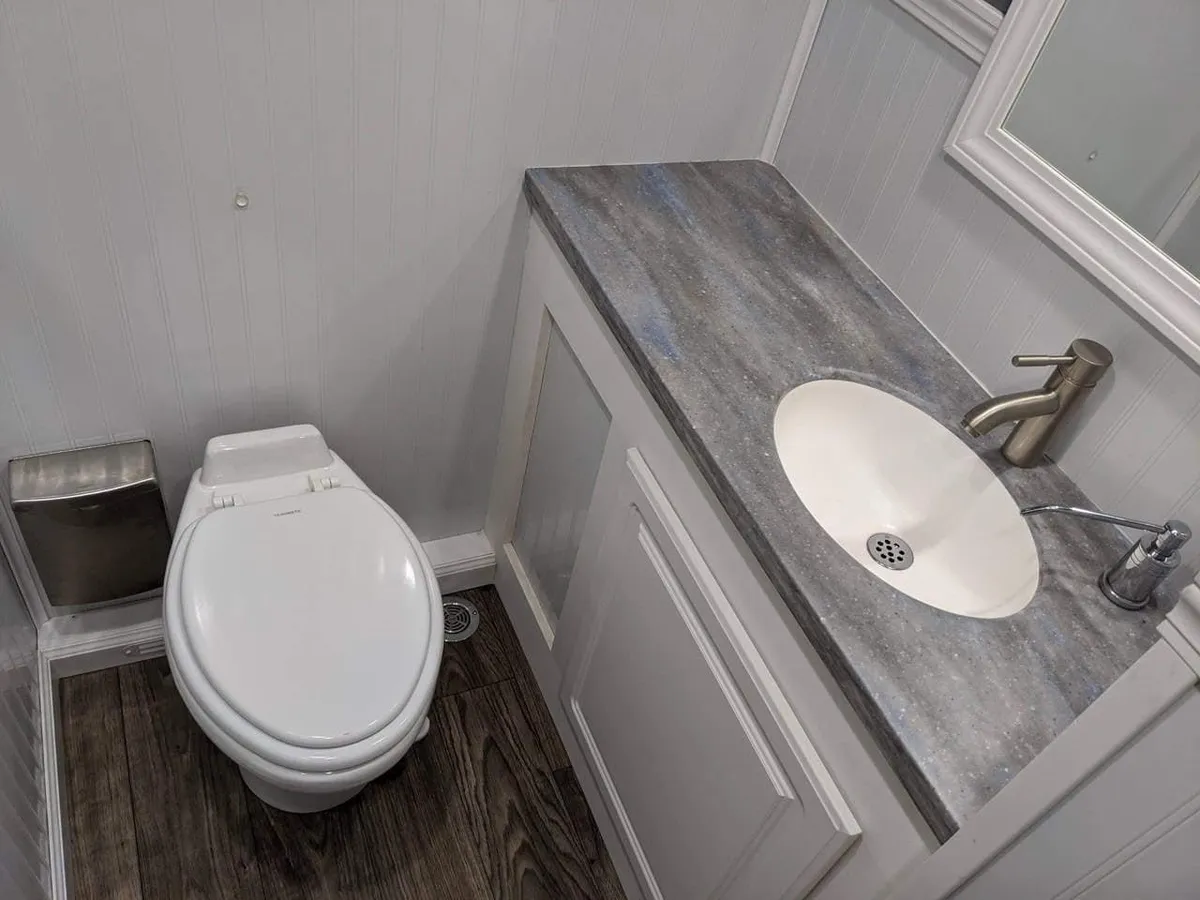
The Permian Basin remains the heart of American oil and gas production, with thousands of active drilling operations, production facilities, and pipeline projects spanning West Texas and eastern New Mexico. These operations demand robust worker sanitation solutions that can handle extreme heat, remote locations, and the demanding 24/7 schedules of oilfield work. Restroom trailers have become essential equipment for Permian Basin operations, providing the climate-controlled comfort and self-contained capabilities that oilfield crews require.
Understanding Permian Basin Operating Conditions
The Permian Basin presents some of the most challenging conditions for worker sanitation in the United States. Summer temperatures regularly exceed 100 degrees, with extreme heat days reaching 110 degrees or higher. Remote well sites may be 50 miles or more from the nearest town. Infrastructure is minimal—no water, sewer, or electrical utilities exist at most drilling locations.
Operations continue around the clock on drilling rigs and during intensive work phases. Crews work 12-hour shifts, often for weeks at a time. The demanding nature of oilfield work creates significant need for comfortable rest and sanitation facilities during breaks.
Dust is pervasive throughout the basin. Dirt roads, vehicle traffic, and wind create constant airborne particulates that affect everything on site. Restroom facilities must withstand this dusty environment while maintaining clean interior conditions.
Drilling Rig Sanitation Requirements
Drilling operations represent the most intensive restroom demand in the oilfield. Active rigs operate 24 hours daily with crews of 15-25 workers per shift. With shift changes, total daily workforce may reach 40-50 or more workers all requiring facility access.
OSHA construction sanitation standards apply to drilling operations, requiring adequate toilet facilities for the workforce. Beyond minimum compliance, quality facilities support the worker welfare that attracts and retains experienced drilling crews in the competitive Permian Basin labor market.
Position restroom trailers near rig camps where crews can access them during breaks without excessive travel. Distance from the active rig minimizes dust exposure while maintaining reasonable access. Consider prevailing wind direction when positioning to minimize dust accumulation.
Climate Control: Critical for West Texas Operations
Air conditioning isn’t optional for Permian Basin restroom facilities—it’s essential for worker health and safety. Crews working in extreme heat desperately need cool environments during breaks. Standard portable toilets become dangerously hot, with interior temperatures exceeding 130-140 degrees on summer afternoons.
Workers avoid using overheated facilities, limiting fluid intake to reduce restroom needs. This behavior creates dangerous dehydration conditions in an already heat-stressed workforce. Air-conditioned restroom trailers encourage proper hydration by providing comfortable facilities workers willingly use.
Winter in the Permian Basin brings cold temperatures and occasional freezing conditions. Heated restroom trailers with freeze protection maintain operation during cold periods. Heat trace systems on plumbing prevent pipe freezing during overnight temperature drops.
Self-Contained Operation for Remote Locations
Most Permian Basin drilling locations lack utility infrastructure. Restroom trailers must operate entirely self-contained, with onboard freshwater tanks, waste holding systems, and generator power. These systems require regular service but function indefinitely at locations without any external utilities.
Generator power supplies climate control, lighting, and ventilation. Fuel consumption varies with climate control demand—summer air conditioning requires more power than winter heating in most conditions. Plan fuel replenishment schedules based on anticipated power usage.
Water conservation matters in remote locations. Modern restroom trailers use low-flow fixtures that minimize water consumption while maintaining full functionality. Efficient water use extends intervals between freshwater service visits.
Production Site Facilities
Production sites—wellheads, tank batteries, and gathering facilities—require ongoing maintenance and periodic intensive work. Regular production workers may visit sites daily, while workover crews, construction teams, or maintenance contractors bring larger temporary workforces.
Permanent or semi-permanent restroom trailers at high-activity production sites serve both regular workers and temporary crews. These facilities should connect to available power when possible, reducing generator fuel requirements and ensuring consistent operation.
Workover operations bring concentrated workforce activity to individual well sites. Mobile restroom trailers that move with workover rigs provide facilities wherever intensive work occurs. Coordinate facility movement with rig schedules to ensure facilities arrive before crews begin work.
Pipeline and Gathering System Construction
Permian Basin development includes extensive pipeline construction connecting wells to processing facilities and transmission lines. These linear projects present unique sanitation challenges similar to pipeline construction elsewhere—distributed crews, mobile work fronts, and remote access requirements.
Restroom trailers at staging areas serve administrative staff and provide central facilities for crews. Satellite facilities distributed along pipeline routes ensure workers have reasonable access regardless of position on the right-of-way.
Mobile facilities that move with advancing construction maintain proximity to active work zones. The combination of fixed and mobile facilities provides comprehensive coverage across extended pipeline routes.
Service Logistics in the Permian Basin
Service logistics present significant challenges in the Permian Basin. Remote locations require extended travel for service vehicles. Unpaved access roads may become difficult during wet weather. Competition for service resources during active drilling periods can strain capacity.
Establish relationships with service providers early in project planning. During peak activity periods, providers may have limited availability. Advance arrangements ensure reliable service throughout your operation.
Service frequency depends on workforce size and facility capacity. High-use drilling rigs may require twice-weekly service. Lower-activity production sites might manage with weekly service. Discuss your specific situation with providers to establish appropriate schedules.
ADA Compliance in Oilfield Operations
ADA-compliant restroom trailers provide accessibility at oilfield locations where workers with disabilities may be employed. Office locations, equipment yards, and accessible work sites should include ADA-compliant facilities.
Some oilfield positions accommodate workers with mobility limitations, and injuries may create temporary accessibility needs. Having accessible facilities available ensures continued accommodation regardless of workforce changes.
Visitors to oilfield sites—investors, regulators, landowners—may require accessible facilities. Providing accessibility demonstrates professional standards and ensures all visitors can be accommodated appropriately.
Worker Welfare and Retention
The Permian Basin faces persistent labor challenges. Experienced oilfield workers have options in a competitive market. Quality of life on the job site—including restroom facilities—influences where workers choose to work.
Companies providing quality facilities attract and retain workers more effectively than those offering minimal accommodations. In a region where labor is the limiting factor for many operations, facility quality becomes a competitive advantage.
Climate-controlled restroom trailers demonstrate employer commitment to worker welfare. This visible investment in worker comfort builds loyalty and supports the retention that keeps experienced crews together.
Dust and Environmental Management
Permian Basin dust affects everything on site. Restroom trailers should be positioned to minimize dust accumulation—upwind from major traffic areas when possible. Enclosed trailers with filtered climate control systems maintain cleaner interiors than open facilities.
Regular cleaning service addresses dust tracked into facilities. More frequent service may be necessary during particularly dusty conditions or high-activity periods. Discuss dust management with service providers when establishing service schedules.
Environmental compliance requires proper waste disposal from all facilities. Licensed service providers handle waste according to applicable regulations. Documentation of proper disposal protects against potential environmental liability.
Planning Your Permian Basin Restroom Strategy
Successful sanitation planning for Permian Basin operations begins with understanding your operation’s scope, location, and workforce. Identify facility requirements for each location type—drilling rigs, production sites, construction projects—and plan appropriate solutions for each.
Working with experienced Texas restroom trailer providers ensures appropriate recommendations for oilfield operations. Providers familiar with Permian Basin conditions understand remote location logistics, extreme climate demands, and the 24/7 nature of oilfield work.
Quality restroom facilities support the workforce that powers Permian Basin production. The investment in proper sanitation demonstrates commitment to worker welfare while supporting the productivity your operation requires. Request a quote today to discuss restroom trailer solutions for your Permian Basin oilfield operation.