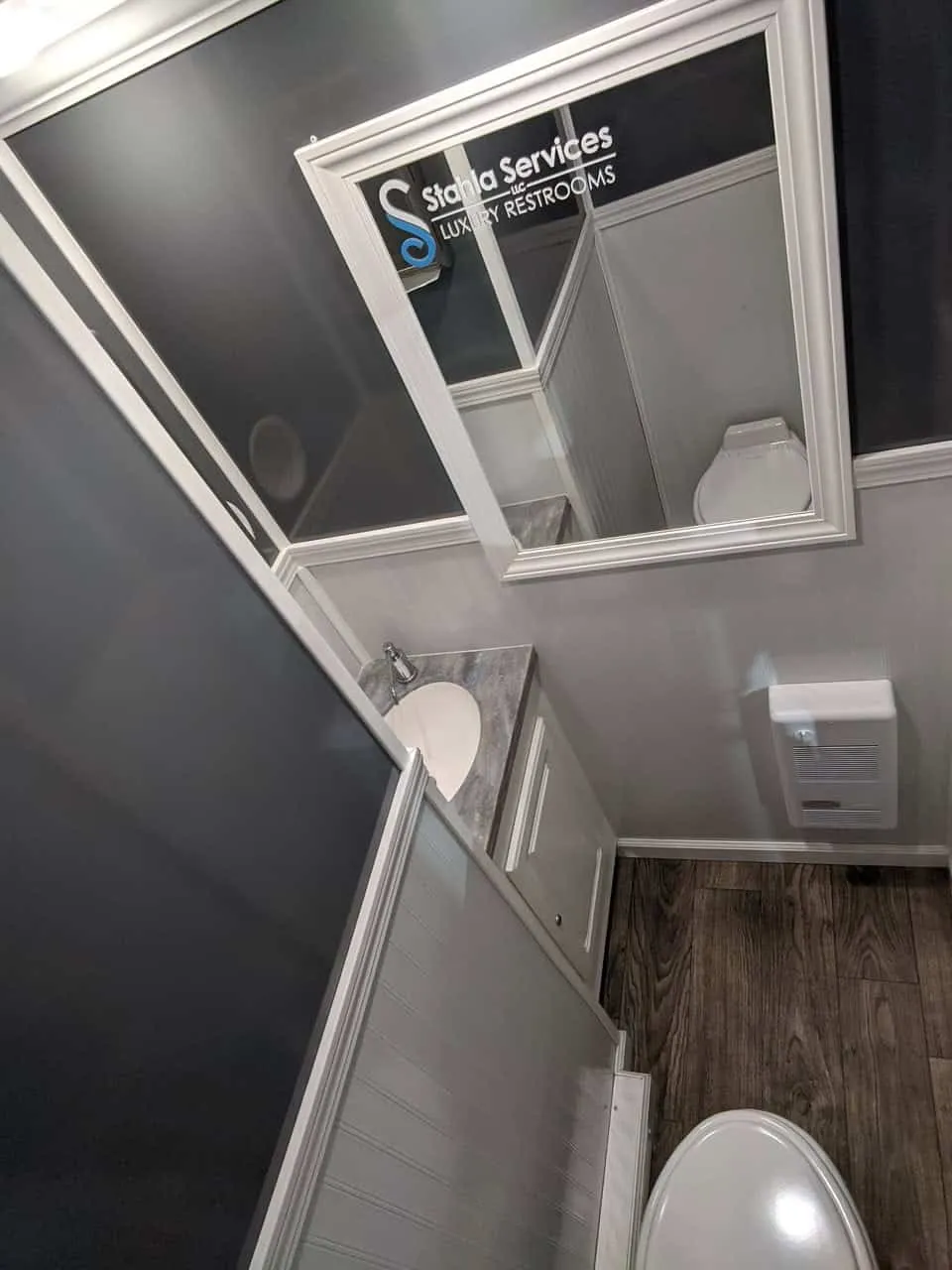
Pipeline construction across Texas presents some of the most challenging conditions for worker sanitation in the construction industry. From natural gas transmission lines crossing hundreds of miles of remote terrain to crude oil gathering systems in the Permian Basin, these projects require sanitation solutions that can operate far from infrastructure while supporting crews working in demanding conditions. Restroom trailers have become essential equipment for Texas pipeline projects, providing the self-contained capabilities these remote operations require.
The Unique Challenges of Pipeline Construction
Pipeline projects differ fundamentally from fixed-site construction. Rights-of-way stretching dozens or hundreds of miles create linear work zones with constantly advancing work fronts. Workers may be miles from the nearest road, let alone the nearest permanent facilities. The combination of remote locations, mobile work fronts, and Texas weather extremes creates sanitation challenges unlike any other construction environment.
These projects employ substantial workforces spread across multiple work fronts. Large transmission pipeline projects may involve 500 or more workers distributed along the right-of-way, with different crews handling clearing, trenching, stringing, welding, coating, and lowering-in operations. Each crew requires accessible restroom facilities appropriate to their location and work pace.
Texas pipeline construction occurs throughout the year, exposing workers to the full range of state weather conditions. Summer temperatures exceeding 110 degrees in West Texas create dangerous heat conditions, while winter construction faces potential freezing temperatures. Remote locations often lack the shade, shelter, or climate moderation that developed areas provide.
OSHA Requirements for Pipeline Operations
Pipeline construction falls under OSHA construction sanitation standards requiring one toilet facility per 20 workers. For the distributed workforces typical of pipeline projects, this means multiple facility locations positioned to serve workers across the right-of-way. Reasonable access distance becomes a practical consideration when workers are miles from vehicle access points.
Handwashing with potable running water represents another OSHA requirement that pipeline projects must address. Workers handling pipeline materials, coatings, and equipment need proper handwashing facilities. Restroom trailers with integrated sinks provide this capability without requiring separate handwashing stations.
ADA-compliant restroom trailers may be required at accessible locations such as project offices, staging areas, or yard facilities where workers with disabilities may be employed. Remote work fronts may have practical limitations on accessibility, but administrative and support areas should provide full accommodation.
Mobile Facility Strategies
Pipeline construction advances along the right-of-way, often at rates of a mile or more per day. Restroom facilities must keep pace with this movement, either advancing with crews or positioned at intervals along the route. Most projects combine both approaches.
Restroom trailers at established points—every 2-3 miles along the right-of-way—provide consistent access regardless of work front location. Workers know where facilities are located and can plan accordingly. These fixed positions simplify service logistics by providing predictable locations for service vehicles.
Mobile facilities traveling with lead crews ensure immediate access at the active work front. Skid-mounted units or trailer-mounted facilities can be repositioned daily as crews advance. This combination of fixed and mobile facilities provides comprehensive coverage across extended pipeline routes.
Remote Location Operations
Pipeline routes cross terrain far from developed infrastructure—ranch land, desert, river crossings, and rural areas without utility access. Restroom facilities must operate independently of water, sewer, and electrical connections that fixed-site construction often provides.
Self-contained restroom trailers designed for remote operation feature onboard freshwater tanks, waste holding tanks, and generator or solar power. These units require periodic service for water replenishment and waste removal, but operate indefinitely in locations without infrastructure.
Service logistics for remote facilities require careful planning. Service vehicles must access trailer locations via the right-of-way or existing roads, navigating terrain that may be challenging during wet weather. Establish service routes and schedules that account for terrain conditions and travel times.
Texas Climate Challenges
Pipeline construction in Texas occurs in some of the state’s most challenging environments. West Texas and Permian Basin projects face extreme summer heat, with temperatures regularly exceeding 100 degrees and occasionally reaching 115 degrees or higher. Coastal projects deal with high humidity that intensifies heat stress.
Air-conditioned restroom trailers provide essential relief in these conditions. The temperature inside a standard portable toilet on a summer afternoon can exceed 140 degrees—dangerous conditions that discourage proper facility use and hydration. Climate-controlled trailers maintain comfortable temperatures that encourage healthy breaks.
Winter construction in the Panhandle and northern regions faces freezing temperatures that can disable unprotected facilities. Heated trailers with freeze protection maintain operation during cold snaps. Heat trace systems on plumbing prevent pipe freezing even when exterior temperatures drop below freezing.
Crew Size and Distribution
Pipeline construction employs specialized crews for different operations, each working at different locations along the right-of-way. Clearing crews lead the way, followed by grading, trenching, stringing, welding, coating, and lowering-in crews. Each crew may include 20-50 workers requiring local restroom access.
Calculate total facility requirements based on combined workforce, but distribute facilities based on crew locations. A project with 300 workers might need 15 facilities under OSHA minimums, but positioning matters—workers can’t practically access facilities miles away from their work location.
Shift operations are common on pipeline projects, with some working 12-hour shifts to maximize daylight construction time. Facilities must remain accessible throughout operating hours, with service schedules that don’t interrupt worker access during shifts.
Staging Area and Yard Facilities
Pipeline projects establish staging areas and pipe yards where materials are stored, equipment is maintained, and administrative functions occur. These fixed locations support quality restroom trailers with reliable access and service, serving workers at these locations and providing facilities for project office staff and visitors.
Staging areas often have utility access—power connections, water supply, and potentially sewer connections. Facilities at these locations can connect to available utilities, reducing service requirements and operating costs. Restroom trailers are designed to utilize utility connections when available while maintaining self-contained capability.
Project visitors—inspectors, landowners, investors, and regulatory personnel—access projects through staging areas. Quality facilities at these locations create professional impressions that reflect on the entire operation. Consider premium trailers for high-visibility locations.
Service Logistics for Linear Projects
Servicing restroom facilities distributed across pipeline routes presents significant logistical challenges. Service vehicles must travel the right-of-way or access roads to reach each facility, potentially covering 50 miles or more to service all locations on a single route.
Coordinate service routes to maximize efficiency. Service all facilities along a section during single trips rather than multiple visits. Schedule service during periods when crews are not actively using facilities, such as early morning before crews arrive or during crew transport times.
Weather affects service access on unpaved rights-of-way. Rain can make terrain impassable for service vehicles, requiring contingency plans for delayed service. Discuss weather protocols with service providers and establish alternative arrangements for weather-related access problems.
Regulatory and Landowner Considerations
Pipeline construction crosses private land under easement agreements that may include provisions regarding construction facilities. Landowner agreements may specify where facilities can be positioned, how waste must be managed, or other requirements affecting restroom operations. Review easement terms when planning facility placement.
Environmental regulations govern waste management on pipeline projects. Waste from restroom facilities must be properly disposed of by licensed service providers. Documentation of proper waste handling protects against environmental liability and demonstrates regulatory compliance.
Some pipeline projects operate under FERC or state regulatory oversight with specific requirements for construction practices. Ensure sanitation provisions meet any applicable regulatory standards and maintain documentation for inspection purposes.
Planning Your Pipeline Project Restroom Strategy
Successful sanitation planning for Texas pipeline projects requires understanding the linear, mobile nature of pipeline construction. Map the right-of-way, identify access points and service routes, and plan facility distribution to serve distributed crews throughout the project corridor.
Working with experienced Texas restroom trailer providers ensures appropriate recommendations for pipeline project challenges. Providers familiar with oil and gas industry requirements understand remote operation demands, service logistics, and climate challenges specific to Texas pipeline construction.
Quality restroom facilities support productive crews working in demanding conditions across Texas pipeline routes. The investment in proper sanitation demonstrates commitment to worker welfare and professional standards that define successful pipeline operations. Request a quote today to discuss restroom trailer solutions for your Texas pipeline construction project.