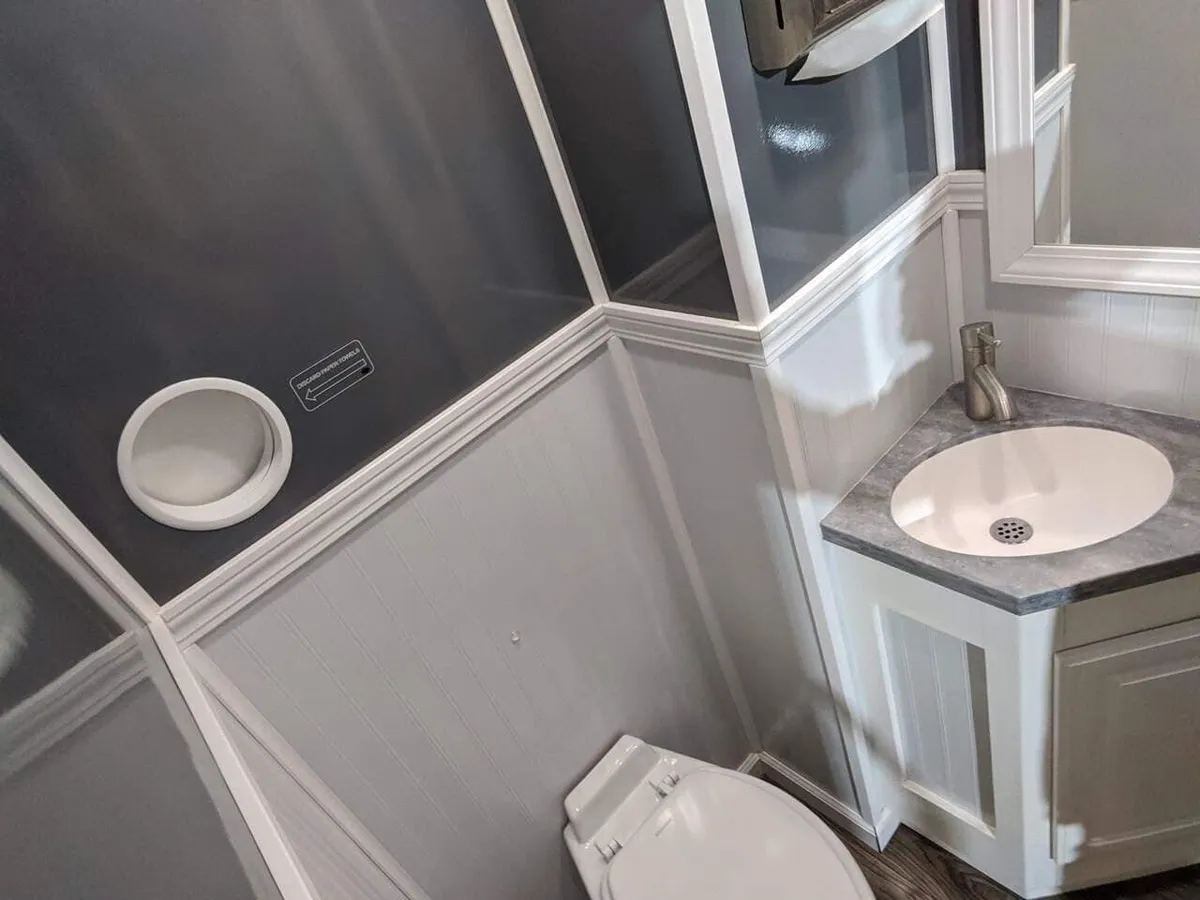
Oilfield worker camps across Texas provide housing for the crews powering the state’s oil and gas production. From remote drilling locations in the Permian Basin to Eagle Ford operations in South Texas, these temporary communities house workers who live on site for weeks at a time. Quality sanitation facilities are essential for worker welfare, health, and retention in these challenging environments. Restroom trailers designed for camp operations provide the comfortable, reliable facilities that oilfield workers deserve.
Understanding Oilfield Camp Operations
Worker camps support drilling, completion, and production operations by housing crews near remote work sites. Workers typically rotate through camps on schedules like 14 days on, 14 days off, or 21 days on, 7 days off. During their hitch, the camp is home—workers sleep, eat, and live there around the clock.
Camp populations vary based on operation intensity. Drilling camps may house 40-60 workers for rig crews and support personnel. Completion operations bring larger temporary populations. Production camps may be smaller but more permanent, serving ongoing operations.
Unlike construction sites where workers use facilities during work hours then leave, camp workers need 24-hour access to quality facilities throughout their rotation. The extended, intensive use creates demands different from day-only operations.
Capacity Planning for Camp Facilities
Camp restroom capacity must serve the full residential population around the clock. While OSHA minimums provide guidance for work site facilities, camp operations benefit from higher capacity to handle concentrated demand during morning preparation, shift changes, and evening hours.
Morning rush periods create peak demand. Workers preparing for shifts concentrate restroom use in short windows. Adequate capacity prevents frustrating waits that start days negatively. Plan for 10-15% of camp population needing facilities simultaneously during peak periods.
Shower facilities often accompany camp restroom trailers. Workers returning from dirty, hot shifts need reliable shower access. Combined restroom and shower trailers efficiently serve comprehensive hygiene needs in camp environments.
Climate Control for 24-Hour Comfort
Texas oilfield camps operate in extreme conditions—summer temperatures exceeding 100 degrees and winter cold in northern regions. Climate-controlled facilities provide comfort throughout workers’ rotations, not just during work hours.
Air-conditioned restroom trailers maintain comfortable temperatures even during the hottest summer nights. Workers using facilities during off-hours appreciate the same climate control they need during work. Consistent comfort throughout the day demonstrates attention to worker welfare.
Winter heating keeps facilities comfortable during cold weather. Heated trailers with freeze protection maintain operation during temperature drops. Workers accessing facilities during cold nights need warm environments just as they do during daytime hours.
Self-Contained Operation in Remote Locations
Most oilfield camps locate in remote areas without utility infrastructure. Restroom trailers must operate completely self-contained, with onboard freshwater, waste holding, and power generation. This independence enables camp establishment wherever operations require.
Extended occupancy increases water and waste volumes beyond typical construction use. Camp facilities may require more frequent service than work site facilities serving the same headcount. Heavy use means faster water consumption and waste accumulation.
Generator reliability becomes critical for 24-hour camp facilities. Power failures affecting climate control or lighting create immediate problems for residents. Quality equipment with proper maintenance prevents failures that disrupt camp operations.
Positioning Facilities in Camp Layout
Camp layout should position restroom facilities for convenient access from sleeping quarters. Workers shouldn’t need to walk excessive distances during night hours. Reasonable proximity supports both convenience and safety.
Well-lit paths between housing and restroom facilities ensure safe nighttime access. Remote camps may be completely dark beyond facility lighting. Exterior lighting on restroom trailers and along approach paths prevents trip hazards and discourages wildlife encounters.
Consider noise when positioning facilities. Generator equipment should be located to minimize disturbance to sleeping workers. Night shift workers sleeping during daytime hours particularly benefit from quiet facility operation.
ADA Accessibility in Camp Settings
ADA-compliant restroom trailers ensure accessibility for workers with disabilities in camp environments. Some oilfield positions accommodate workers with mobility limitations, and injuries may create temporary accessibility needs during rotations.
Position accessible facilities where workers requiring accommodation can easily reach them from housing. The 24-hour nature of camp operations means accessibility must be available around the clock, not just during work hours.
Visitors to camps—company representatives, inspectors, medical personnel—may require accessible facilities. Including accessibility in camp design ensures all visitors can be accommodated appropriately.
Maintenance and Cleaning Standards
Camp facilities experience heavier use than day-only work sites. Workers using facilities multiple times daily for residential purposes create more intensive cleaning requirements. More frequent service maintains the standards camp residents deserve.
Daily cleaning service may be appropriate for larger camps or facilities with heavy use. Smaller camps might manage with service every two to three days. Adjust frequency based on actual usage patterns and facility condition.
Consider camp-specific cleaning needs. Mud and debris tracked from work areas require attention. Shower facilities need specific cleaning protocols. Discuss camp operation characteristics with service providers to establish appropriate service levels.
Worker Welfare and Retention Impact
Oilfield workers choose employers partly based on camp conditions. Quality restroom and shower facilities directly influence worker satisfaction and retention. In competitive labor markets, facility quality becomes a competitive advantage for recruitment.
Workers spending two or three weeks in camps value comfortable facilities. The difference between basic accommodations and quality facilities affects morale throughout rotations. Happy workers perform better and return for subsequent hitches more reliably.
Word spreads among oilfield workers about camp conditions at different operations. Reputation for quality camp facilities aids recruitment and helps maintain experienced crews. The investment in facilities pays dividends in workforce quality.
Shower Facility Integration
Shower facilities are essential camp amenities, often provided in combination with restroom trailers. Workers returning from shifts need reliable hot water shower access. Combined restroom and shower trailers efficiently serve camp hygiene needs.
Hot water capacity must match camp population and usage patterns. Peak shower demand occurs during shift changes when multiple workers need facilities simultaneously. Adequate hot water production prevents cold showers that frustrate workers.
Drainage and greywater management require attention in camp environments. Ensure facilities have appropriate waste water handling and that shower drainage doesn’t create problems around camp areas.
Health and Safety Considerations
Camp facilities serve as hygiene infrastructure supporting worker health. Proper handwashing facilities help prevent illness spread in close living quarters. Quality facilities encourage the hygiene practices that keep camp populations healthy.
Ventilation maintains healthy indoor conditions. Climate control systems should provide adequate fresh air exchange along with temperature control. Proper ventilation prevents moisture buildup and maintains air quality.
Emergency lighting ensures facility access during power interruptions. Battery backup systems maintain basic lighting when generators fail, supporting safe facility use until power is restored.
Service Logistics for Remote Camps
Remote camp locations create service challenges. Service vehicles may travel an hour or more to reach camp facilities. Establish service schedules that account for travel distances while maintaining appropriate service frequency.
Coordinate service with camp operations. Service during meal times or shift changes may be disruptive. Early morning or mid-day service often works better, when fewer workers need facility access.
Emergency service availability matters for 24-hour camp facilities. Problems occurring at night or on weekends need rapid response. Establish communication channels and response expectations with service providers.
Planning Your Camp Restroom Strategy
Successful sanitation planning for Texas oilfield camps requires understanding the unique 24-hour, residential nature of camp operations. Calculate capacity for peak demand periods, plan for extended usage patterns, and ensure facilities match the standards workers deserve during their rotations.
Working with experienced Texas restroom trailer providers ensures appropriate recommendations for camp operations. Providers familiar with oilfield camps understand the intensive usage, remote location challenges, and worker welfare considerations that affect facility planning.
Quality restroom facilities support worker welfare throughout extended rotations. The investment in proper camp sanitation demonstrates employer commitment to workforce comfort while supporting the productivity and retention that successful oilfield operations require. Request a quote today to discuss restroom trailer solutions for your Texas oilfield camp.