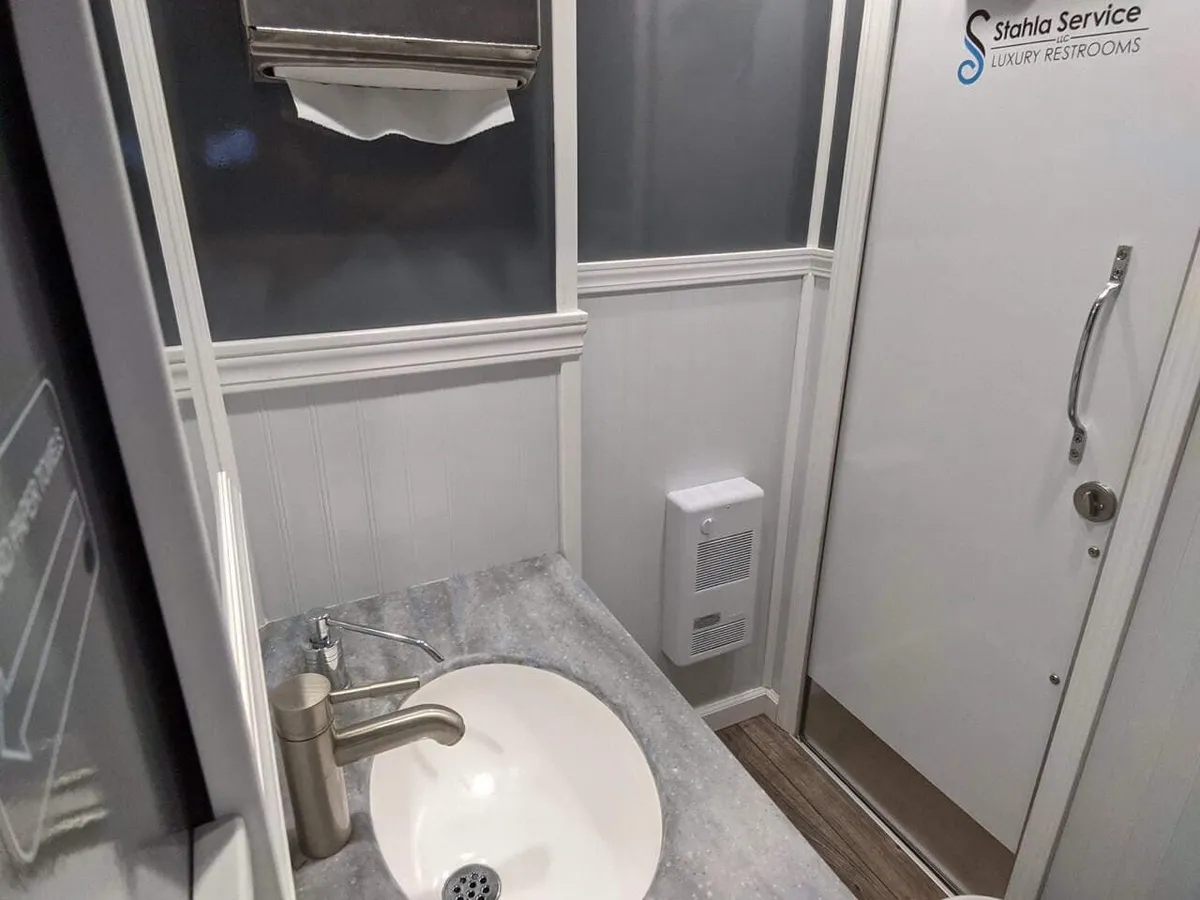
Refinery turnarounds represent some of the largest temporary workforce deployments in Texas industry. When refineries along the Gulf Coast shut down for scheduled maintenance, thousands of workers descend on facilities for intensive work periods lasting weeks or months. These massive workforce concentrations require comprehensive sanitation planning that rivals small city infrastructure. Restroom trailers provide the scalable, high-capacity facilities these demanding projects require.
Understanding Turnaround Workforce Scale
Major refinery turnarounds in Texas can employ 2,000 to 5,000 workers or more during peak activity. These workforces assemble quickly, work intensively for the turnaround duration, and disperse upon completion. The temporary nature and massive scale create sanitation challenges unlike ongoing operations.
Multiple shifts operate around the clock to complete turnaround work within scheduled windows. Typical patterns involve 12-hour shifts with day and night crews. At any given time, half the workforce is active while the other half rests, but shift changes create concentrated demand for all site facilities.
Turnaround workforces include multiple specialty contractors—mechanical, electrical, instrumentation, welding, scaffolding, insulation, and others—each bringing their own personnel. Coordinating sanitation for this diverse workforce requires systematic planning and clear facility assignments.
OSHA Requirements at Scale
OSHA requirements for sites exceeding 200 workers specify one toilet and one urinal per 50 workers. A turnaround with 3,000 workers needs at least 60 toilet facilities and 60 urinals as a minimum baseline. Practical requirements often exceed these minimums due to workforce distribution and peak demand considerations.
Handwashing requirements mandate potable running water at sanitation facilities. With workers handling various industrial materials during turnaround activities, proper handwashing is essential for both hygiene and safety. Restroom trailers with integrated sinks provide this capability throughout the site.
ADA-compliant restroom trailers ensure accessibility across the refinery site. Given the large workforce, workers with disabilities will likely be present, and accessible facilities must be available in multiple locations to serve this population appropriately.
Strategic Facility Distribution
Refineries are sprawling facilities where workers perform tasks across extended areas. Turnaround activities occur throughout the refinery simultaneously. Concentrating all restroom facilities in one location would create unacceptable travel times for many workers and overwhelming demand at that single location.
Distribute facilities strategically across the refinery site, placing clusters near major work areas, break locations, and contractor staging areas. Workers should be able to access facilities within reasonable walking distance regardless of their work assignment.
Map turnaround work locations during planning and position facilities accordingly. Consider traffic patterns, access routes, and facility positioning that minimizes conflicts with turnaround activities. Coordinate with safety planning to ensure facility placement meets refinery safety requirements.
Climate Control for Industrial Settings
Gulf Coast refineries operate in Texas’s most humid conditions. Summer turnarounds face extreme heat combined with high humidity, creating heat index values that can exceed 110 degrees. Workers in protective equipment performing physical labor face severe heat stress.
Air-conditioned restroom trailers provide essential cooling breaks during hot weather turnarounds. Workers overheated from field work need cool, dry environments during breaks. Climate-controlled facilities encourage the hydration and rest that prevent heat-related illness among turnaround crews.
Winter turnarounds along the Gulf Coast typically face moderate temperatures, but cold fronts can bring uncomfortable conditions. Heated facilities maintain worker comfort during occasional cold periods without the heavy winterization needed further north.
Peak Demand Management
Shift changes create massive peak demand. When thousands of workers transition between shifts, restroom demand concentrates in short windows. Facilities that handle average usage throughout the shift may become overwhelmed during these transitions.
Break periods create similar but smaller peaks. Staggering breaks across the workforce helps distribute demand, but coordinated contractor schedules often mean significant portions of the workforce take breaks simultaneously.
Size facility capacity for peak demand rather than average usage. Queues and waiting time during peak periods frustrate workers and reduce productive time. Adequate capacity during peaks maintains smooth operations and worker satisfaction.
Service Logistics for Major Events
Turnaround restroom service requires intensive scheduling. With facilities serving thousands of workers, service frequency must match heavy usage. Daily service of high-traffic facilities may be necessary, with multiple visits during the busiest periods.
Coordinate service schedules with refinery access requirements. Service vehicles must navigate security protocols and site-specific access rules. Establish service schedules that work within these constraints while maintaining facility quality.
Large turnarounds may require dedicated service crews rather than standard route service. Discuss your turnaround’s scale with providers to ensure adequate service resources are committed to the project.
Contractor Area Assignments
Large turnarounds often assign specific facilities to particular contractor areas. This approach ensures adequate capacity for each contractor’s workforce while simplifying accountability for facility condition. Clear assignments prevent overcrowding and disputes over facility access.
Communicate facility assignments during contractor mobilization. Workers should know where their designated facilities are located from their first day on site. Include facility information in safety orientations and contractor coordination meetings.
Some facilities may serve common areas—gate houses, parking areas, and general break locations. These shared facilities require higher capacity to serve diverse users who may not have assigned area facilities.
Safety Integration
Refinery turnarounds operate under strict safety protocols. Restroom facility placement must comply with safety zoning requirements. Facilities should not interfere with emergency access routes, assembly areas, or hazardous work zones.
Consider evacuation requirements when positioning facilities. Workers using restrooms during an emergency must be able to evacuate quickly. Clear exit paths from all facility locations to designated assembly areas support emergency response.
Facility generators and fuel storage must meet refinery requirements for ignition sources and flammable materials. Discuss specific safety requirements with refinery personnel during planning to ensure compliant facility configuration.
Utility Connections vs. Self-Contained Operation
Refineries may offer utility connections—water, sewer, and power—for temporary facilities. Connecting to site utilities simplifies operation and reduces service requirements. However, connecting facilities takes time and may require coordination with refinery systems.
Self-contained facilities operate independently, providing flexibility in placement and rapid deployment. For facilities in areas without convenient utility access, self-contained operation avoids infrastructure limitations.
Many turnarounds use a combination—utility-connected facilities where convenient and self-contained units where infrastructure is unavailable. This hybrid approach maximizes flexibility while utilizing available connections.
Pre-Turnaround Planning
Successful turnaround sanitation begins months before the turnaround starts. Calculate total workforce requirements, map facility distribution, and establish contracts with providers well in advance. Last-minute arrangements for thousands-of-worker turnarounds risk inadequate capacity or service.
Include restroom planning in overall turnaround logistics. Facility delivery, positioning, and connection should be scheduled alongside other mobilization activities. Facilities should be operational before contractor crews arrive for work.
Conduct site walks during planning to identify optimal facility locations. Consider access routes, work areas, and existing infrastructure. Documentation of planned locations facilitates coordination with refinery operations.
Demobilization Planning
Turnaround completion requires systematic facility demobilization. As contractor crews complete work and leave, reduce facility count accordingly. Maintaining excess capacity as workforce decreases wastes resources.
Coordinate facility removal with contractor demobilization schedules. Facilities serving departing contractors can be removed while those serving continuing work remain operational. Phased removal matches facility availability to remaining workforce.
Final facility removal should occur only after all turnaround work and final inspections are complete. Some workers remain for punch list completion and documentation even after main crews depart. Ensure facilities remain for these final personnel.
Planning Your Turnaround Restroom Strategy
Successful sanitation planning for refinery turnarounds requires understanding the massive scale, distributed nature, and intensive demand these projects create. Calculate requirements based on peak workforce, plan strategic distribution across the facility, and engage providers capable of delivering and servicing the volume required.
Working with experienced Texas restroom trailer providers ensures appropriate recommendations for turnaround scale. Providers serving Gulf Coast industrial facilities understand refinery requirements, safety protocols, and the logistics of serving thousands of workers across major industrial sites.
Quality restroom facilities support the productivity and welfare of turnaround workforces. The investment in proper sanitation contributes to efficient turnaround completion while maintaining the worker satisfaction that keeps experienced crews returning for future projects. Request a quote today to discuss restroom trailer solutions for your Texas refinery turnaround.