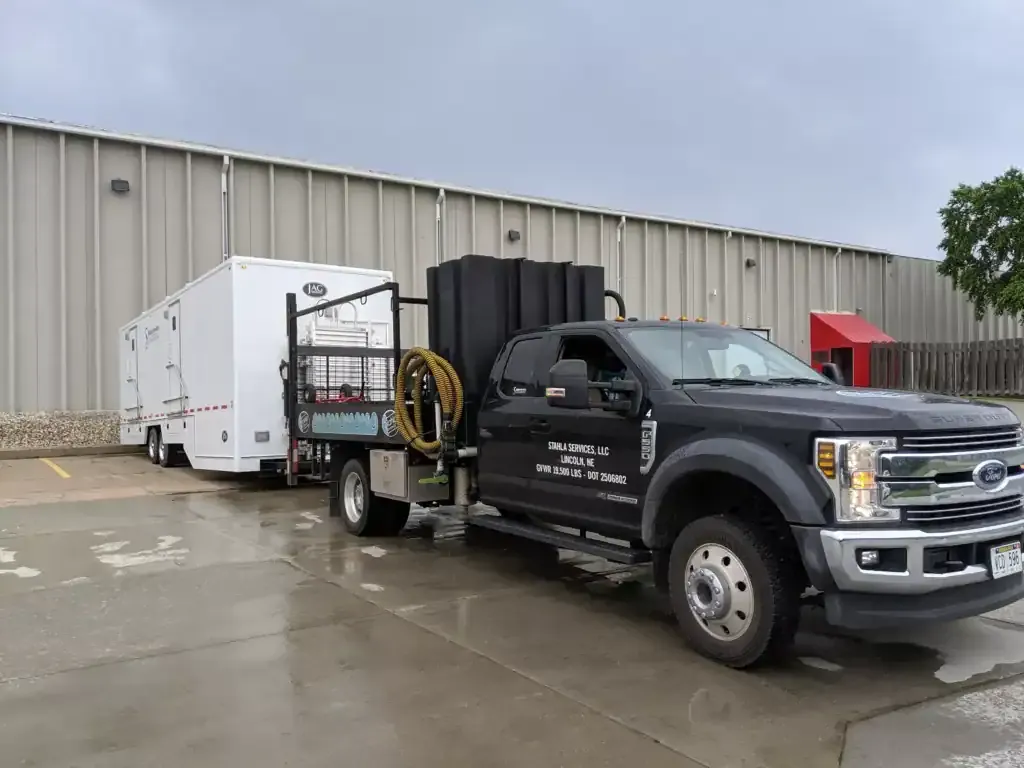
Renovation projects in Texas present unique restroom planning challenges that new construction doesn’t face. Whether renovating a historic downtown building in San Antonio, updating office spaces in Dallas, or remodeling retail facilities in Houston, these projects often involve occupied or partially occupied buildings, limited access for equipment, and existing restroom facilities that may be offline during construction. Restroom trailers provide the flexible, temporary sanitation solutions that Texas renovation projects require.
Understanding Renovation Project Dynamics
Renovation projects differ fundamentally from new construction in ways that affect restroom planning. Rather than working on empty sites, renovation crews often work in or adjacent to occupied buildings. Existing building systems may be disrupted during construction, including plumbing that serves permanent restroom facilities. The constrained, complex nature of renovation work demands thoughtful sanitation solutions.
Workforce sizes on renovation projects are typically smaller than major new construction—often 15-50 workers depending on project scope. However, these workers may compete for restroom access with building occupants, creating capacity challenges even with smaller crews. Understanding both construction and occupant needs is essential for proper planning.
Project timelines vary significantly based on renovation scope. Interior refreshes might complete in weeks, while major building renovations can span months. The duration affects facility investment decisions—short projects may tolerate basic facilities while extended renovations warrant more comfortable solutions.
Managing Disrupted Building Restrooms
Renovation work frequently requires taking building restrooms offline. Plumbing modifications, bathroom remodeling, or work that affects water or sewer systems may eliminate access to permanent facilities for portions of the construction period. Planning for these disruptions prevents unpleasant surprises.
Identify which building restrooms will be affected by renovation work and when these disruptions will occur. Some projects take all facilities offline simultaneously for complete plumbing replacement. Others work in phases, maintaining some access while renovating specific areas.
Restroom trailers positioned outside the building provide reliable facilities during plumbing disruptions. These temporary facilities serve both construction workers and building occupants who lose access to permanent restrooms. Quality trailers maintain comfort and dignity during what could otherwise be an uncomfortable situation.
Occupied Building Considerations
Many Texas renovation projects occur in buildings that remain partially or fully occupied during construction. Retail stores continue operations while backrooms are renovated. Offices function while floors receive updates. Residents remain in place while apartment common areas are improved. Managing construction sanitation alongside occupant needs requires coordination.
Construction workers typically should not use the same restroom facilities as building occupants. Dirty work clothes, construction debris, and different usage patterns make shared facilities problematic. Providing dedicated construction worker facilities prevents conflicts and maintains professional separation.
ADA-compliant restroom trailers serve both construction accessibility requirements and can temporarily accommodate building occupants who need accessible facilities while permanent restrooms are offline. Position these units where both populations can access them safely.
Space Constraints and Trailer Placement
Renovation sites often lack the open space available on new construction projects. Urban buildings may have minimal exterior space, limited parking, or constrained access. Creative solutions may be necessary to position restroom trailers effectively.
Identify potential trailer locations during project planning. Consider parking areas, loading docks, adjacent lots, or temporarily closed portions of parking facilities. Ensure placement provides reasonable access for workers while minimizing impact on building operations and neighboring properties.
Compact restroom trailer configurations maximize capacity in limited space. Multi-station trailers provide more facilities per square foot of ground coverage than multiple individual units. Discuss space constraints with rental providers to identify appropriate equipment for your site conditions.
Access and Delivery Considerations
Urban renovation sites may present delivery challenges for restroom trailers. Narrow streets, overhead obstructions, limited turning radius, and restricted access hours can complicate trailer positioning. Assess access routes before committing to specific equipment.
Some urban locations may require smaller trailer configurations that navigate restricted access more easily. Others might need crane placement or specialized delivery equipment. Experienced rental providers can assess your site and recommend appropriate solutions.
Service vehicle access matters as much as initial delivery. Regular service visits must reach the trailer location without disrupting building operations. Consider service timing—early morning visits before business hours often minimize disruption to occupied buildings.
Climate Control for Indoor-Adjacent Work
Renovation workers often transition between indoor and outdoor environments, experiencing temperature contrasts that make restroom comfort particularly important. Workers cooling down from exterior demolition work or heating up from interior finishing in un-conditioned spaces appreciate climate-controlled restroom facilities.
Texas summer heat makes air-conditioned restroom trailers valuable even for renovation projects. Trailers positioned in direct sun can become uncomfortably hot without adequate cooling. Ensure units have sufficient cooling capacity for Texas conditions, particularly if positioned on asphalt or in unshaded areas.
Winter heating maintains comfort during cold weather renovations. Workers moving between heated building interiors and cold exterior conditions need comfortable transition facilities. Heated trailers with freeze protection maintain operation during Texas winter cold snaps.
Multiple Contractor Coordination
Renovation projects involve multiple specialty contractors—demolition crews, electricians, plumbers, HVAC technicians, drywall installers, painters, and flooring specialists. General contractors typically provide restroom facilities for all workers, but clear communication about facility access helps coordination.
Subcontractors should know where facilities are located before arriving on site. Include facility information in pre-construction meetings and site orientation. Workers unfamiliar with the building layout need clear directions to exterior restroom trailers.
Overlapping subcontractor schedules during intensive project phases create peak demand periods. Ensure facility capacity accommodates these overlaps rather than individual contractor workforce sizes.
Utility Connections and Independence
Renovation sites may or may not offer utility connections for restroom trailers. Some buildings can provide temporary water and electrical connections, reducing service requirements and operating costs. Others require fully self-contained operation.
Discuss utility availability during project planning. If connections are available, ensure they can handle restroom trailer requirements. Verify that using building utilities for construction facilities is permitted under lease or building rules.
Self-contained trailers operating on generator power and onboard water tanks provide complete independence from building systems. This independence can be valuable when renovation work affects building utilities or when connection is impractical.
Presentation and Professional Image
Renovation projects in occupied buildings or visible locations require attention to facility appearance. Clean, well-maintained restroom trailers demonstrate professionalism that reflects on the entire project. Neglected facilities create negative impressions among building occupants, visitors, and neighbors.
Position trailers where their appearance supports rather than detracts from the renovation project. Avoid placing facilities where they dominate building entrances or primary sightlines. Consider screening or landscaping where extended placements affect curb appeal.
Request premium or newer equipment for highly visible renovation projects. Quality trailers with professional appearance demonstrate the same standards applied to the renovation work itself. Building owners and tenants notice these details.
Phased Renovation Planning
Many renovation projects proceed in phases, with different areas addressed in sequence. Facility needs may change as phases progress—requirements during demolition differ from those during finishing work. Plan facility arrangements that adapt to project phases.
Early phases with larger demolition crews may need more capacity than later finishing phases with smaller specialized teams. Discuss phase-based capacity adjustments with rental providers to optimize costs throughout the project.
As permanent building restrooms return to service after renovation, transition workers back to building facilities. This transition often occurs in phases as different restrooms complete at different times. Coordinate trailer removal with permanent facility availability.
Service Requirements
Renovation project restroom trailers require regular service to maintain cleanliness and function. Service frequency depends on workforce size and usage patterns. Weekly service typically works for smaller crews, while larger workforces may need twice-weekly attention.
Coordinate service timing with building operations. Early morning service before workers and occupants arrive ensures fresh conditions throughout the day. Avoid scheduling service during peak building activity when service vehicles might conflict with normal operations.
Emergency service availability handles unexpected issues. If facilities malfunction during active renovation, rapid response prevents project disruption and worker discomfort. Discuss emergency service provisions when establishing rental arrangements.
Planning Your Renovation Project Restroom Strategy
Successful sanitation planning for Texas renovation projects begins with understanding how construction will affect building restrooms and what space is available for temporary facilities. Map out plumbing disruption timelines, identify trailer placement options, and plan capacity that serves both construction workers and potentially displaced building occupants.
Working with experienced Texas restroom trailer providers ensures appropriate recommendations for your renovation project’s specific challenges. Providers familiar with urban renovation constraints understand access limitations, space optimization, and coordination requirements that affect facility planning.
Quality restroom facilities support productive renovation work while maintaining professional standards visible to building occupants and the public. The investment in proper sanitation demonstrates commitment to quality throughout the renovation process. Request a quote today to discuss restroom trailer solutions for your Texas renovation project.