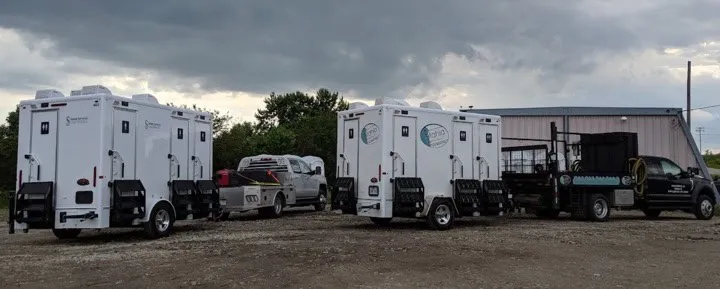
Texas weather varies dramatically throughout the year, creating unique considerations for restroom trailer rentals in each season. Understanding how different weather conditions affect trailer performance, guest comfort, and logistics helps you plan more effectively for your event or project.
Spring in Texas: March through May
Spring offers some of the most favorable conditions for outdoor events in Texas, but the season comes with its own considerations.
Weather Patterns
Texas spring brings pleasant temperatures punctuated by severe weather. April and May see the most tornado and severe thunderstorm activity. Temperature swings can be significant—a week might see days in the 80s followed by a cold front dropping temperatures 30 degrees.
Planning Considerations
- Weather monitoring: Track forecasts closely and have contingency plans for severe weather
- Ground conditions: Spring rains can soften ground, affecting trailer placement and access routes
- Temperature flexibility: Trailers should have both heating and cooling ready since either might be needed
- Pollen and allergens: Guests appreciate enclosed, filtered air in trailers during high pollen days
Booking Considerations
Spring is peak wedding season in Texas. Book restroom trailers well in advance—three to six months is recommended for spring weekend events. Popular dates fill quickly as venues and vendors get booked.
Summer in Texas: June through August
Summer presents the most challenging conditions for outdoor events in Texas. Extreme heat requires careful planning and equipment considerations.
Weather Patterns
Temperatures routinely exceed 100°F across much of Texas. Humidity varies by region—coastal areas see higher humidity while West Texas bakes in dry heat. Afternoon thunderstorms are common, particularly in June before the midsummer drought sets in.
Critical Considerations
- Air conditioning is mandatory: Climate-controlled trailers aren’t a luxury in Texas summer—they’re essential for guest safety and comfort
- Power reliability: AC runs continuously, increasing power demands. Ensure adequate generator capacity and fuel supply
- Increased water consumption: Guests use more water in hot weather. Plan for more frequent refilling or connect to venue water supply
- Higher restroom usage: Heat drives hydration, which increases restroom needs. Add 25-40% to standard capacity calculations
- Shaded placement: Position trailers in shaded areas when possible to reduce AC workload
- Early morning delivery: Schedule delivery before peak heat hours
Heat-Related Guest Comfort
Air-conditioned restroom trailers serve as cooling refuge for overheated guests. This is beneficial for events, but anticipate that guests may linger in the cool interior. Factor this into capacity planning—effective throughput decreases when guests take longer visits.
Summer Booking
Summer sees fewer weddings due to heat, but construction projects, festivals, and corporate events continue. Availability is often better than spring or fall, though Independence Day weekend books heavily.
Fall in Texas: September through November
Fall brings relief from summer heat and creates ideal conditions for outdoor events. It’s the second peak season for Texas weddings and outdoor celebrations.
Weather Patterns
September often remains hot, essentially extending summer conditions. October and November see more moderate temperatures, though heat can return unexpectedly. Cold fronts begin moving through, occasionally dropping temperatures dramatically.
Planning Considerations
- Transitional temperatures: Mornings might be cool while afternoons warm considerably. Ensure climate control handles both heating and cooling
- Hurricane season: Coastal Texas events through early November should monitor tropical weather
- Daylight considerations: Earlier sunsets mean guests may use facilities in darker conditions. Exterior lighting becomes more important
- Football season traffic: Events near college or NFL stadiums should account for game day traffic affecting delivery logistics
Fall Booking
October and November are peak wedding months in Texas. Book three to six months in advance for fall weekend events. Popular venues in Hill Country and wine regions fill particularly quickly.
Winter in Texas: December through February
Texas winters are generally mild compared to northern states, but cold snaps can create challenges that require preparation.
Weather Patterns
Temperatures typically remain above freezing, but periodic cold fronts can drop temperatures into the teens or single digits. Ice storms, while less common than snow, create hazardous conditions when they occur. Winter weather tends to be most severe in January and February.
Critical Considerations
- Freeze protection: Water lines can freeze during cold snaps. Keep trailers heated continuously when temperatures drop below freezing
- Heating requirements: Ensure heating systems are functional and powerful enough for your trailer size
- Power for heating: Heating draws significant power. Verify generator capacity and maintain adequate fuel
- Ice on ramps: ADA ramps can become slippery when icy. Have treatment available or relocate accessible units to covered areas
- Delayed delivery: Icy road conditions may delay delivery. Build flexibility into your schedule during potential winter weather periods
Winter Events
Holiday parties, New Year’s celebrations, and winter festivals keep restroom trailers in demand during December. January and February are slower months, often offering better availability and potentially lower pricing.
Region-Specific Considerations
Texas spans multiple climate zones. Regional differences affect restroom trailer planning:
Gulf Coast
Higher humidity year-round increases perceived temperatures. Hurricane season (June through November) requires monitoring and contingency planning. Salt air can affect equipment in coastal locations during extended rentals.
Hill Country and Central Texas
Flash flooding risk during storms. Rocky terrain can complicate placement. More dramatic temperature swings between day and night.
North Texas
More severe winter weather than southern regions. Ice storms more common. Tornado season particularly active in spring.
West Texas
Extreme temperature variations—hot days, cool nights. Lower humidity but intense sun. Dust and wind can affect equipment. Remote locations may have longer delivery distances.
Rio Grande Valley
Mildest winter temperatures in Texas. Extended warm season. Hurricane exposure during storm season.
Seasonal Booking Patterns
Understanding demand patterns helps you plan:
- Peak demand: April-May and October-November (wedding seasons)
- Holiday peaks: Independence Day, Labor Day, Memorial Day weekends
- Lower demand: January-February, mid-summer weekdays
- Year-round demand: Construction sites, ongoing projects
Booking earlier secures availability and sometimes offers better pricing. Last-minute requests during peak season may face limited options.
Planning for Your Season
Whatever time of year you’re planning an event or project, Texas conditions require thoughtful preparation. Climate control, appropriate capacity planning, and awareness of weather risks ensure your restroom facilities serve guests well regardless of season.
Ready to plan your seasonal restroom trailer rental? Request a quote and we’ll help you navigate the specific considerations for your event date and location.