Texas experiences more tornadoes than any other state, with an average of over 130 twisters touching down each year. From the traditional Tornado Alley across the Panhandle and North Texas to less frequent but still dangerous storms further south, tornadoes can strike virtually anywhere in the state. The aftermath of a significant tornado creates immediate needs for emergency sanitation—destroyed infrastructure, displaced residents, and response workers all require restroom facilities that may not exist in the damaged area.
Understanding Tornado Damage Patterns
Tornadoes create concentrated destruction along their paths. Unlike hurricanes that affect broad regions, tornado damage occurs in relatively narrow swaths—but within those paths, destruction can be total. Buildings are demolished, utilities are destroyed, and entire neighborhoods can be reduced to debris fields.
This concentrated damage pattern means that sanitation infrastructure within the tornado’s path is likely destroyed while surrounding areas remain functional. However, the affected areas often contain exactly the populations—displaced residents, response workers—who need sanitation most urgently.
The sudden nature of tornado damage means communities receive little warning before infrastructure fails. Unlike hurricanes with days of forecast lead time, tornadoes may give only minutes of warning before striking.
Immediate Post-Tornado Sanitation Needs
The hours immediately following a tornado focus on life safety—search and rescue, medical treatment, and securing the damaged area. But sanitation needs emerge quickly as people begin returning to assess damage and recovery workers arrive to begin response operations.
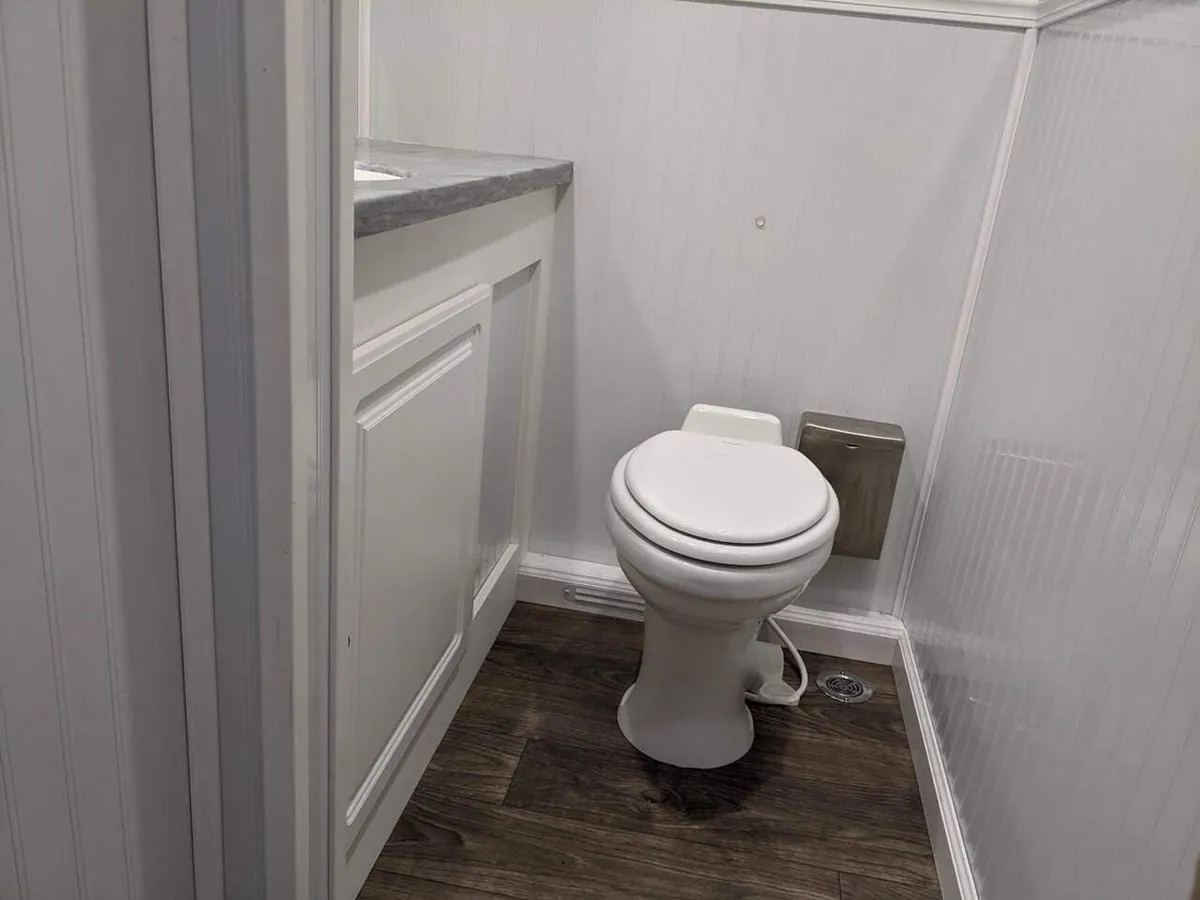
Self-contained restroom trailers provide sanitation that doesn’t depend on damaged infrastructure. These units can be deployed to damaged areas without requiring water, sewer, or electrical connections that likely no longer exist.
Initial deployments typically target staging areas where response resources gather and locations where displaced residents congregate. As the response develops, additional facilities spread into the affected area to serve ongoing recovery work.
Search and Rescue Phase Support
Search and rescue teams working tornado debris need facility access near their work areas. These teams may work for extended periods searching for survivors, requiring sanitation support throughout their operations.
Position facilities at search and rescue staging areas where teams begin and end their operational periods. Additional facilities near active search areas help teams maintain continuous operations without long travel for basic needs.
Search operations often continue through night shifts until all areas are cleared. Facilities supporting these operations need adequate lighting and must remain functional around the clock.
Debris Removal and Recovery Phase
After initial search operations conclude, the massive task of debris removal begins. Heavy equipment operators, debris haulers, and cleanup crews work throughout the damage zone, requiring facility access distributed across the work area.
Debris removal often continues for weeks or months following major tornadoes. Facility deployments must support this extended timeline, with servicing that maintains functionality throughout the cleanup period.
As debris removal progresses, work areas shift across the damage zone. Mobile facility deployments can follow the work, ensuring crews always have reasonable access to restrooms.
Supporting Displaced Residents
Tornado survivors whose homes are destroyed or damaged need immediate shelter and longer-term temporary housing. Emergency shelters opening to receive displaced residents require sanitation capacity that may exceed what host buildings provide.
Restroom trailers at shelters supplement existing facilities, providing the additional capacity needed when buildings designed for different purposes suddenly host displaced populations. Multi-station units efficiently serve the shelter population while maintaining dignified, quality facilities.
Residents returning to assess their damaged homes also need restroom access. Their own bathrooms may be destroyed or without water. Facilities positioned at neighborhood access points serve residents throughout the damage assessment and recovery process.
Accessibility Throughout Recovery
Tornado recovery must accommodate all community members, including those with disabilities. Our ADA-compliant restroom trailers ensure accessible facilities are available at shelters, work sites, and throughout the recovery area.
Tornado debris creates significant accessibility challenges. Pathways to facilities may cross debris fields, damaged pavement, or uneven terrain. Position accessible facilities where they can be reached safely, and work to maintain accessible routes as recovery progresses.
Shelters serving displaced populations likely include people with disabilities who may have lost mobility equipment or medical supplies in the tornado. Adequate accessible facilities ensure these residents can meet basic needs.
Climate Considerations
Texas tornado season peaks in spring, but tornadoes can occur in any month. Spring weather can swing from hot to cold quickly, and summer tornadoes occur during Texas’ most intense heat. Facilities must handle whatever conditions accompany the tornado event.
Air-conditioned facilities provide essential cooling during hot-weather recovery operations. Workers clearing debris in summer heat need climate-controlled spaces for breaks and restroom use.
Fall and winter tornadoes may be followed by cold weather requiring heated facilities. The same heating capability and freeze protection important for winter storms applies to cold-weather tornado recovery.
Power Independence
Tornado damage typically destroys electrical service within the damage path. Restroom facilities must operate on generator power without dependence on grid electricity that doesn’t exist in the affected area.
Plan for fuel logistics that maintain generator operation throughout the recovery period. Integrate facility fuel needs into overall recovery logistics to ensure consistent supply.
Self-contained water and waste systems complete the independence package. Facilities can operate in totally destroyed areas where no utilities remain.
Service in Damaged Areas
Servicing facilities in tornado-damaged areas presents unique challenges. Roads may be blocked by debris. Access routes may change as debris removal progresses. Damage may make some areas difficult to reach.
Communicate with your provider about access conditions. As debris removal opens roads and access improves, service logistics become easier. During initial phases, coordinate service with debris removal operations to ensure access.
Size facilities with capacity for potentially extended service intervals if access is limited. As conditions improve, service can transition to normal frequencies.
Coordination with Emergency Operations
Tornado response typically operates under incident command system structures. Restroom facilities coordinate through the logistics section, specifically the facilities unit. Understanding this organizational framework helps integrate sanitation into the broader response.
Maintain communication with incident command about facility deployments, locations, and service status. Document all deployments and service activities for cost tracking and potential reimbursement through FEMA or other programs.
As the incident command structure demobilizes and transitions to long-term recovery management, facility coordination transitions accordingly. Stay engaged with recovery leadership throughout the process.
Long-Term Recovery Support
Major tornado damage takes years to fully recover from. While the most intensive facility needs occur in the early response phase, ongoing support may continue for extended periods as rebuilding progresses.
Construction crews rebuilding in tornado-damaged areas need facilities. Businesses operating from temporary facilities while rebuilding permanent structures may need sanitation support. Residents living in temporary housing while homes are reconstructed benefit from community facilities.
Flexible arrangements accommodate the uncertain timeline of long-term recovery. As areas rebuild and permanent infrastructure returns, facility needs decrease accordingly.
Rapid Deployment for Sudden Events
Unlike forecastable disasters, tornadoes strike with minimal warning. Response requires rapid mobilization of resources without the advance positioning possible for hurricanes or winter storms.
Providers with emergency response capability maintain equipment ready for rapid deployment. When tornadoes strike, these resources can mobilize quickly to support affected communities.
Pre-established relationships speed emergency response. Knowing your provider’s capabilities and having contacts ready allows faster mobilization when tornadoes damage Texas communities.
Supporting Texas Tornado Recovery
Quality sanitation facilities support tornado recovery by providing essential services where infrastructure has been destroyed. From immediate response through long-term rebuilding, proper facilities serve displaced residents, recovery workers, and communities working to rebuild.
Our experience supporting Texas disaster response includes tornado recovery operations across the state. We understand the unique challenges of tornado aftermath and maintain capabilities for rapid response when these sudden events occur.
Ready to discuss tornado preparedness planning or current recovery needs? Contact us today to develop sanitation solutions for your community’s tornado response capabilities.