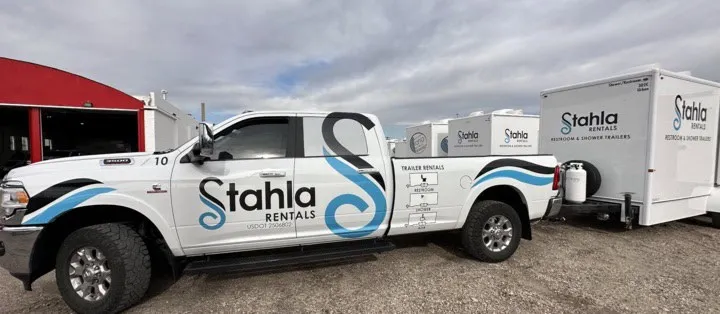
When storms, accidents, or other events damage Texas power, water, or communication infrastructure, utility restoration crews mobilize quickly to repair the damage. These crews—often including workers from other states through mutual aid agreements—work long hours in challenging conditions to restore services that communities depend on. Proper sanitation facilities support these crews throughout their restoration efforts, maintaining health and morale during demanding deployments.
Understanding Utility Restoration Operations
Major utility outages trigger immediate restoration responses. Electric utilities dispatch line crews to repair downed lines and damaged equipment. Water utilities address main breaks and treatment plant issues. Telecommunications companies restore service to affected areas. Each restoration effort involves crews working across affected regions, often for extended periods until service returns to normal.
Storm response represents the most common large-scale utility restoration scenario in Texas. Hurricanes, severe thunderstorms, tornadoes, and ice storms all cause infrastructure damage requiring extensive repair efforts. The widespread nature of storm damage means crews may be working across large geographic areas simultaneously.
Mutual aid agreements bring additional crews from other utilities when local resources prove insufficient. These visiting crews need support infrastructure including sanitation facilities at their work locations and staging areas.
Staging Area Sanitation Needs
Utility restoration crews typically operate from staging areas where equipment is organized, crews receive assignments, and workers gather between shifts. These staging areas need sanitation facilities proportional to the workforce present.
Self-contained restroom trailers provide appropriate facilities for staging areas. With running water, flushing toilets, and climate control, these units offer comfort that basic portable toilets cannot match—important for crews working demanding shifts.
Position staging area facilities where crews can access them conveniently without interfering with equipment movement and crew operations. Consider traffic patterns during shift changes when crews arrive and depart in concentrated periods.
Field Work Facility Requirements
Beyond staging areas, crews working at specific repair sites need facility access. Workers spending 10-12 hours at a work location can’t be expected to travel long distances for restroom access. Providing facilities near active work sites supports crew productivity and welfare.
Mobile facilities that can be repositioned as work progresses serve field operations well. As restoration moves from one area to another, facilities can follow the crews rather than being fixed at locations where work has completed.
Coordinate field facility placement with crew supervisors who understand the work progression. Positioning facilities where they’ll serve the most workers most effectively maximizes their value.
Crew Size and Capacity Planning
Utility restoration workforce sizes vary dramatically based on the scale of damage. Local repairs might involve a handful of crews. Major storm response can bring hundreds or thousands of workers into the affected area. Facility capacity must scale accordingly.
Standard ratios of one toilet per 20 workers provide baseline guidance, but restoration operations often benefit from higher ratios. Crews work physically demanding jobs and return to facilities with concentrated need during limited break periods.
Communicate with utility coordinators to understand expected workforce levels and adjust facility capacity as the restoration effort scales up or down. Major storm response typically peaks in the days immediately following the event, then gradually decreases as repairs complete.
Around-the-Clock Operations
Utility restoration often continues 24 hours a day until service returns to normal. Crews work day and night shifts, with facilities needed throughout both periods. This continuous operation affects facility sizing and service requirements.
Night shift crews have the same facility needs as day crews. Ensure facilities have adequate lighting for safe nighttime use. Pathways to facilities should be visible and clear regardless of time.
Service scheduling must account for 24-hour operation. Standard daytime service may not address needs from overnight usage. Coordinate service timing with operational schedules to ensure facilities remain functional around the clock.
Accessibility Considerations
Utility workforces may include personnel with disabilities or workers with temporary mobility limitations from injuries. Our ADA-compliant restroom trailers ensure accessible facilities are available throughout restoration operations.
Include accessible units at staging areas and major work sites. Position accessible facilities on level ground with clear pathways—important in work zones where equipment, materials, and debris may create obstacles.
Even workers without disabilities may appreciate accessible features after long, physically demanding shifts. The additional space and grab bars in accessible units can benefit tired workers.
Climate Control for Field Workers
Utility crews work in all weather conditions. Summer storms mean restoration in Texas heat exceeding 100°F. Winter ice storms require work in freezing conditions. Climate-controlled facilities provide important relief regardless of the season.
Air-conditioned facilities give overheated workers a chance to cool down during breaks. This brief respite supports physical recovery and helps prevent heat-related illness during demanding summer work.
Heated facilities during winter operations prevent frozen plumbing while providing warmth for workers coming in from the cold. Freeze protection for all facility systems ensures functionality in cold weather.
Self-Sufficiency Requirements
The irony of utility restoration work is obvious—crews are restoring the same services their support facilities need. Restroom facilities must be self-sufficient, capable of operating without the power, water, or sewer systems being repaired.
Generator-powered facilities provide electrical independence. Self-contained water tanks and waste systems eliminate dependence on water and sewer utilities. This independence ensures facilities function regardless of utility status in the work area.
Plan for fuel logistics that maintain generator operation throughout the restoration effort. Integrate facility fuel needs into overall restoration logistics to ensure consistent supply.
Service During Restoration Operations
Regular facility servicing maintains function throughout restoration efforts. Service crews need access to facility locations, which may be in areas with damaged roads, debris, or active work zones.
Communicate access conditions to your provider. Road closures, work zone restrictions, and changing conditions affect service logistics. Coordination helps ensure service reaches all deployed facilities.
Size facilities with capacity for potentially extended service intervals during active restoration. If normal service can’t occur due to conditions or access, extra capacity provides buffer.
Coordination with Utility Operations
Effective facility support requires coordination with utility restoration management. Understand restoration priorities, staging area locations, and work progression to position facilities appropriately.
Stay in communication as restoration operations evolve. Work areas shift as repairs complete in some locations and begin in others. Facilities may need to move to continue serving active work zones.
Document deployments and service for cost tracking. Utilities track restoration costs carefully, and proper documentation supports accounting and potential cost recovery.
Duration and Scaling
Restoration timelines vary from days for minor events to weeks for major disasters. Facility arrangements must accommodate uncertain durations. Flexible rental terms help manage situations where restoration extends beyond initial estimates.
Scaling needs change as restoration progresses. Initial massive response may require maximum facility capacity. As repairs complete and crews demobilize, facility needs decrease. Arrangements for scaling down prevent maintaining unneeded equipment.
Maintain communication with restoration coordinators about timeline expectations. While exact durations are uncertain, general progress helps anticipate facility scaling needs.
Supporting Restoration Efforts
Utility restoration crews work to restore services that communities depend on. Quality sanitation facilities support these essential workers throughout their efforts. Proper facilities contribute to crew welfare and, ultimately, faster restoration of critical services.
Our experience supporting Texas utility restoration includes major storm response across the state. We understand the demands of restoration work and maintain capabilities for rapid deployment when utilities need support.
Ready to discuss utility restoration support or current deployment needs? Contact us today to develop sanitation solutions for your restoration operations.