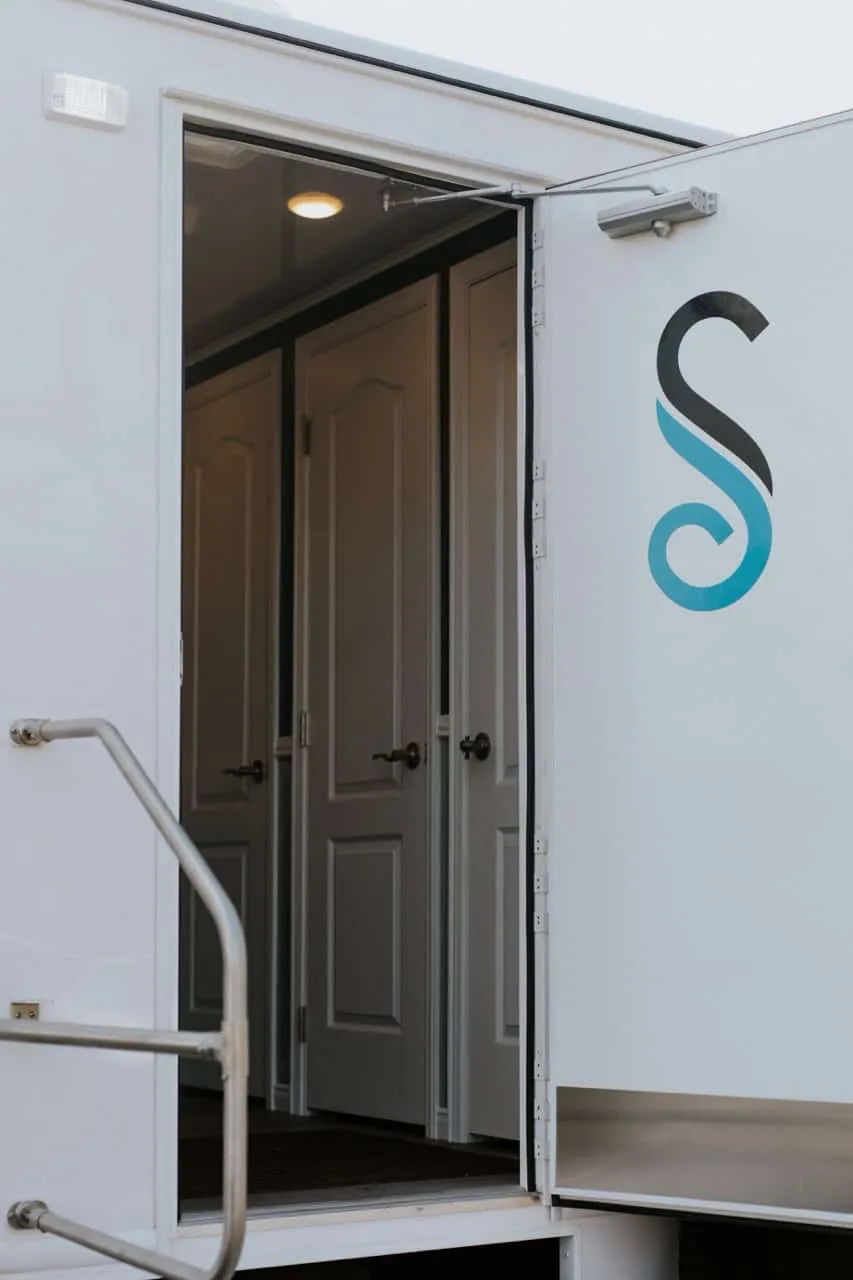
Texas leads the nation in wind energy production, with thousands of turbines spinning across the vast open spaces of West Texas, the Panhandle, and the Gulf Coast region. Wind farm construction projects present unique sanitation challenges—remote locations often dozens of miles from developed infrastructure, distributed work sites spread across thousands of acres, and extreme weather conditions from blistering summer heat to winter ice storms. Restroom trailers have become essential equipment for Texas wind farm construction, providing the self-contained capabilities and worker comfort these demanding projects require.
The Unique Nature of Wind Farm Construction
Wind farms differ fundamentally from most construction projects. Rather than concentrated activity at a single site, wind construction involves dozens or hundreds of individual turbine locations spread across project areas that may span 50 square miles or more. Each turbine site requires foundation work, tower erection, nacelle installation, and blade mounting—with crews moving between sites as work progresses.
Construction workforces on major wind projects typically range from 100 to 400 workers during peak phases. These workers distribute across multiple active turbine sites, access roads under construction, electrical collection system installation, and substation construction. The distributed nature of the work creates facility access challenges unlike those on concentrated construction sites.
Project timelines for utility-scale wind farms typically span 12-24 months, with intensive construction occurring during specific seasonal windows. Extended project durations require long-term restroom planning that accommodates changing workforce sizes and shifting work locations throughout construction.
Remote Location Realities
Wind farms locate where wind resources are strongest—typically remote, open areas far from population centers. West Texas wind farms may be 100 miles from the nearest city. Panhandle installations often sit amid ranches and farmland with no nearby development. These locations lack the infrastructure that supports urban construction.
Self-contained restroom trailers are essential for remote wind construction. Units must operate without external water, sewer, or electrical connections. Onboard freshwater tanks, waste holding systems, and generator power enable operation in locations without any existing utilities. These systems require regular service but function indefinitely in truly remote settings.
Service logistics present significant challenges for remote wind sites. Service vehicles may travel an hour or more from their base to reach project locations. Unpaved access roads can become impassable during wet weather. Planning service routes and establishing contingency arrangements for weather delays are essential for reliable facility maintenance.
Texas Weather Extremes
Wind farm locations in Texas experience the full range of state weather extremes. Summer temperatures in West Texas regularly exceed 100 degrees, with intense sun exposure across open terrain. Winter brings freezing temperatures, ice storms, and occasional blizzard conditions, particularly in the Panhandle. Climate-controlled restroom trailers address both extremes.
Air-conditioned facilities are essential during Texas summers. Workers already heat-stressed from outdoor construction desperately need cool environments during breaks. The temperature inside a standard portable toilet on a summer afternoon can exceed 130 degrees—conditions that discourage proper facility use and hydration.
Winter heating prevents plumbing freezes and maintains worker comfort during cold periods. Wind farm locations often experience wind chill temperatures well below actual air temperature. Heated restroom trailers with freeze protection maintain operation even during severe winter weather. Heat trace systems on plumbing prevent freezing during extended cold snaps.
Distributed Facility Strategy
The distributed nature of wind construction requires strategic facility placement across the project area. Workers at turbine sites miles from central facilities cannot reasonably travel back for routine restroom breaks. Multiple facility locations ensure reasonable access for workers throughout the project footprint.
Central facilities at staging areas and equipment yards serve workers starting and ending shifts, as well as administrative and support staff. These locations typically support higher-quality restroom trailers with reliable access for visitors and inspectors.
Satellite facilities positioned throughout the project area serve crews at active turbine sites. These may include a combination of restroom trailers at strategic intersections and mobile facilities that move with construction progress. The specific distribution depends on project layout, workforce distribution, and access road patterns.
OSHA Compliance Across Large Areas
Wind farm workforces require substantial restroom capacity under OSHA standards. A project with 300 workers needs at least 6 toilet facilities and 6 urinals based on the ratio for sites exceeding 200 workers. However, the distributed nature of wind construction often requires more facilities than minimum calculations suggest.
OSHA requires facilities to be “reasonably accessible” to workers. On wind farms spanning tens of square miles, reasonable access means facilities positioned so workers don’t travel excessive distances. Practical requirements often exceed OSHA minimums to provide adequate coverage across large project areas.
ADA-compliant restroom trailers ensure accessibility at locations where workers with disabilities may be employed. Central staging areas and permanent facility locations should include accessible units. Remote turbine sites may have practical access limitations, but support facilities should provide full ADA compliance.
Construction Phase Considerations
Wind farm construction progresses through phases with different facility requirements. Civil work—access roads, crane pads, and foundation excavation—may involve 50-100 workers concentrated in specific areas. Foundation concrete pours bring specialized crews. Tower erection and turbine installation require crane crews and specialized technicians.
Electrical collection system installation spreads workers across trenching routes connecting turbines to the substation. This linear work resembles pipeline construction, with crews advancing along cable routes. Facilities must serve workers along these distributed routes.
Commissioning phases involve smaller, specialized crews testing and certifying individual turbines. Facility requirements decrease during these phases, allowing consolidation of previously distributed units. Flexible rental arrangements accommodate these workforce fluctuations.
Service Logistics for Remote Sites
Servicing facilities across wind farm project areas requires careful logistical planning. Service vehicles must navigate access roads that may extend 20 miles or more within project boundaries. Coordinating service with construction activities prevents conflicts with heavy equipment and crane operations.
Service frequency depends on usage levels and facility distribution. Central facilities serving large portions of the workforce may need twice-weekly service. Satellite facilities with lighter use might manage with weekly service. Discuss your specific project layout with providers to establish appropriate service schedules.
Weather contingencies are essential for remote operations. Heavy rain can make unpaved roads impassable. Snow and ice create access challenges during winter. Establish alternative service arrangements for weather-delayed access and consider improved road surfaces to critical facility locations.
Landowner and Environmental Considerations
Wind farms typically operate on leased land, with individual landowners hosting turbines and infrastructure. Lease agreements may specify requirements for construction facilities, including where restrooms can be positioned and how waste must be managed. Review lease terms when planning facility placement.
Landowner relations benefit from professional facility management. Clean, well-maintained restroom trailers demonstrate respect for the property and professional construction practices. Landowners whose property hosts facilities should see evidence of responsible management.
Environmental compliance requires proper waste disposal from all facilities. Work with licensed service providers who properly dispose of waste and maintain documentation. This documentation may be required by permitting authorities and protects against environmental liability.
Subcontractor Coordination
Wind farm construction involves multiple specialty contractors—civil work, tower erection, blade installation, electrical systems, and substation construction. EPC contractors or project owners typically provide restroom facilities for all workers, allocating costs through contract provisions. Clear communication about facility locations helps coordination across contractors.
Different contractors work in different areas simultaneously, affecting optimal facility placement. Civil crews may work at one end of the project while electrical installation proceeds elsewhere. Dynamic facility placement or mobile solutions accommodate these shifting patterns.
Peak overlap periods when multiple trades work simultaneously create highest facility demand. Plan capacity for these overlap periods rather than individual contractor requirements. Communication among contractors about workforce numbers helps anticipate demand fluctuations.
Extended Duration Planning
Wind farm construction spanning 12-24 months requires long-term facility planning. Multi-year rental agreements typically offer better pricing than sequential short-term contracts. Negotiate terms at project start to establish favorable rates for the entire construction period.
Facility needs fluctuate through project phases. Build capacity for peak periods while maintaining flexibility to reduce during lighter phases. Quality rental providers accommodate these fluctuations without excessive penalty for changing unit counts.
Equipment condition matters over extended rentals. Discuss maintenance and replacement policies to ensure facilities remain in acceptable condition throughout the project. Quality providers maintain their equipment and address issues promptly.
Planning Your Wind Farm Restroom Strategy
Successful sanitation planning for Texas wind farm construction begins with understanding your project’s geographic extent, workforce distribution, and timeline. Map the project area, identify strategic facility locations, and plan capacity that accommodates workforce fluctuations throughout construction phases.
Working with experienced Texas restroom trailer providers ensures appropriate recommendations for wind project challenges. Providers familiar with renewable energy construction understand remote location logistics, extreme weather requirements, and distributed facility strategies specific to wind farm development.
Quality restroom facilities support the productive workforce building Texas’s wind energy future. The investment in proper sanitation demonstrates commitment to worker welfare and professional standards on projects that will generate clean energy for decades. Request a quote today to discuss restroom trailer solutions for your Texas wind farm construction project.