Winter Storm Uri in February 2021 demonstrated Texas’ vulnerability to extreme cold weather. The storm left millions without power for days, burst pipes throughout the state, and collapsed portions of the water infrastructure. While Texas typically enjoys mild winters, severe cold events do occur—and when they do, the consequences can be catastrophic. Understanding how restroom trailers fit into winter storm preparedness helps communities, facilities, and emergency managers plan for these challenging events.
Texas Winter Weather Vulnerability
Texas infrastructure is largely designed for hot weather, not extreme cold. When temperatures drop into the single digits or below zero—rare but not unprecedented—systems designed for mild winters fail. Power plants trip offline. Water treatment facilities freeze. Pipes in homes and businesses burst by the thousands.
The February 2021 storm killed over 200 Texans and caused billions in damage. Cities across the state lost water service as treatment plants froze and distribution systems failed. Even after power returned, many communities remained under boil-water notices for weeks as utilities repaired and tested water systems.
This vulnerability means that severe winter weather creates sanitation emergencies beyond what many Texas communities have experienced or prepared for. Understanding the risks helps drive more effective preparation.
When Water Systems Fail
Winter storms threaten water systems through multiple mechanisms. Treatment plant equipment freezes. Pumps lose power. Distribution lines break as water expands upon freezing. The result can be complete loss of water service across entire communities.
Without water, toilets don’t flush. Standard emergency messaging tells people to fill bathtubs before storms arrive, but even this preparation provides limited capacity. Multi-day water outages exhaust any stored supply.
Self-contained restroom trailers provide sanitation that doesn’t depend on municipal water. With onboard fresh water tanks and waste containment, these facilities operate independently of damaged water infrastructure.
Heating Requirements for Cold Weather Operation
Restroom trailers deployed during winter storms must have heating capability and freeze protection for all plumbing systems. Unheated facilities with water systems will freeze—the same problem affecting buildings throughout the affected area.
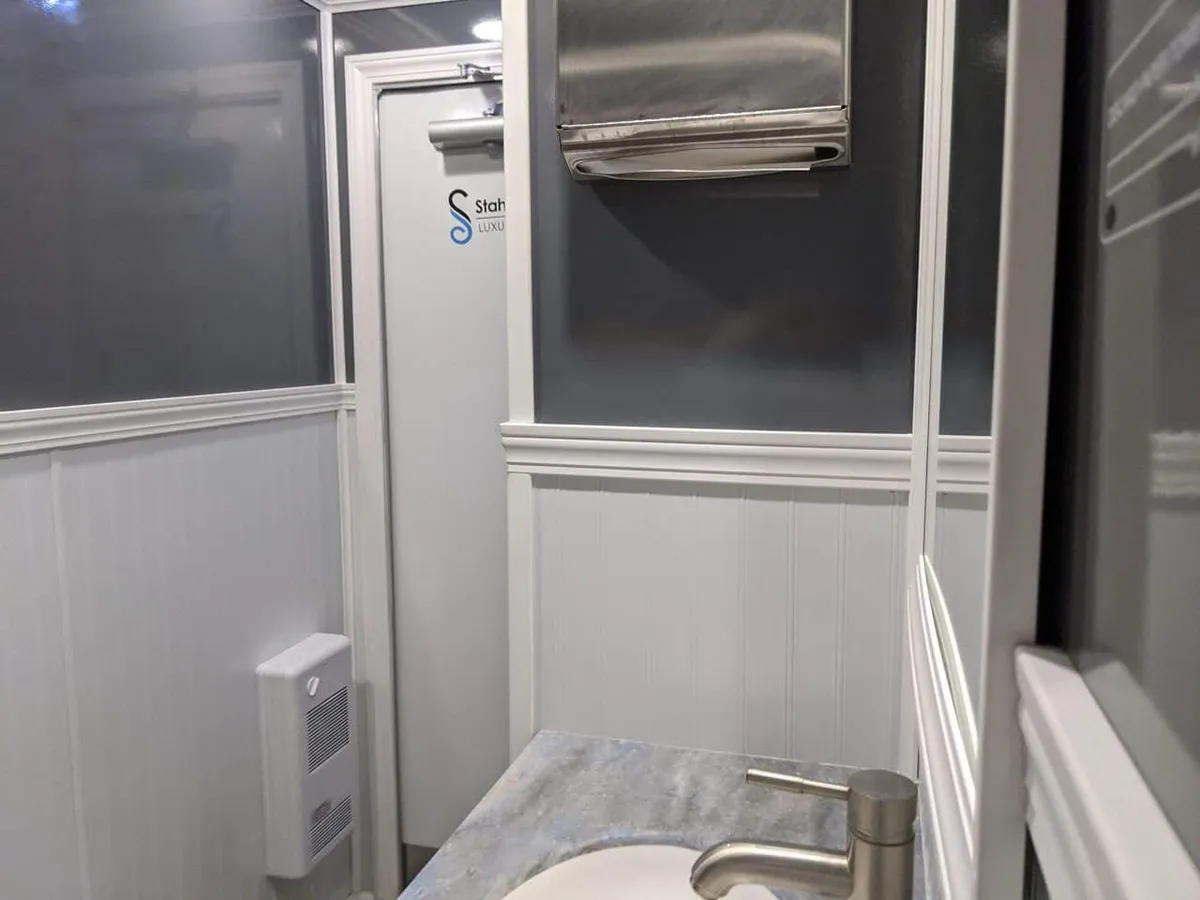
Our cold-weather-capable trailers feature heating systems that maintain interior temperatures above freezing. Insulated construction helps retain heat even in extreme conditions. Freeze protection for water lines and tanks prevents the damage that cold causes to unprotected systems.
Heating systems require power. In winter storm scenarios where grid power is unavailable, generator operation becomes essential. Plan for fuel logistics that maintain heating throughout the storm and its aftermath.
Generator Power and Fuel Planning
Winter storm restroom deployments must operate on generator power. When the grid fails—as it did extensively during Uri—only self-powered facilities remain functional. This power independence is essential for effective winter storm sanitation support.
Fuel consumption increases significantly during cold weather as heating systems run continuously. Plan fuel supplies for this increased demand. Establish fuel delivery arrangements before storms arrive, recognizing that fuel distribution may be disrupted during severe weather.
Monitor fuel levels carefully during storms. Running out of fuel means losing both heating and water systems—and potentially damaging equipment through freezing. Maintain adequate reserves and arrange refueling before tanks run low.
Pre-Positioning Before Storms
Winter storm forecasting provides advance warning that allows pre-positioning of resources. Unlike sudden disasters, approaching winter storms give communities time to prepare—if they act on the warnings.
Pre-position restroom trailers at critical locations before storm conditions arrive. Roads become impassable during ice storms, making deployment impossible once weather deteriorates. Having facilities in place before the storm ensures availability when they’re needed.
Target pre-positioning at locations likely to need support—community centers that may become warming shelters, critical facilities like hospitals that need backup sanitation, staging areas for response operations, and locations serving vulnerable populations.
Warming Center and Shelter Support
Winter storms often trigger opening of warming centers where residents without heat can find refuge from dangerous cold. These facilities may operate in buildings with limited permanent restroom capacity, requiring supplemental facilities.
Restroom trailers at warming centers provide capacity beyond what the host building offers. This is particularly important during extended events when buildings designed for intermittent use host people continuously for days.
Position facilities for convenient access while minimizing exposure to cold when people move between the warming center and restrooms. Covered connections or positions adjacent to building entries help reduce cold exposure.
Accessibility in Winter Conditions
Winter weather creates accessibility challenges beyond normal considerations. Ice and snow create slippery conditions that affect everyone, particularly people with mobility limitations. Our ADA-compliant restroom trailers must be positioned and maintained for safe access during winter conditions.
Clear pathways to accessible facilities of ice and snow. Apply ice melt products to maintain traction on ramps and walkways. Check conditions regularly during storms as ice accumulates.
Include accessible units at all major deployment locations. Winter storms don’t reduce the need for accessibility—they increase the importance of careful attention to accessible routing and conditions.
Service During Winter Storms
Maintaining facility service during winter storms presents significant challenges. Roads may be impassable due to ice. Service personnel face the same dangerous conditions affecting everyone. Normal service schedules may be impossible to maintain.
Size facilities with capacity for extended intervals between service during storm conditions. Larger tanks provide buffer when service can’t occur on normal schedules. Plan for realistic worst-case scenarios about service access.
As conditions improve after storms, prioritize service to restore normal operations. Communicate with your provider about conditions so service can resume as quickly as roads allow.
Pipe Burst Recovery Support
After winter storms pass, the damage becomes apparent. Thousands of buildings experience burst pipes when frozen water expands. Even after temperatures warm, these buildings lack functional plumbing until repairs complete—a process that can take weeks given the volume of damage and limited plumber availability.
Restroom trailers provide interim sanitation for buildings with damaged plumbing. Businesses can continue operations. Residents can remain in otherwise functional homes. Facilities can serve their purposes while repairs proceed.
This recovery-phase support may continue for extended periods as the enormous volume of plumbing repairs works through available contractors. Plan for potentially long-term deployments during major winter storm recovery.
Building Relationships Before Storms
Effective winter storm response starts before storms threaten. Establish relationships with restroom trailer providers during fair weather. Understand capabilities, equipment availability, and emergency protocols before you need them.
Emergency managers should include sanitation in winter storm preparedness planning. Identify potential deployment locations, establish contracts or agreements for emergency response, and include restroom facilities in winter storm exercises.
Facilities managers for critical buildings should consider backup sanitation as part of winter preparedness. If your building loses water, how will people use restrooms? Having arrangements in place before emergencies occur speeds response when they happen.
Learning from Uri
Winter Storm Uri taught Texas hard lessons about cold weather vulnerability. The sanitation crisis—millions of people without functioning toilets for days—was one dimension of a multi-faceted disaster. Planning for future events must include sanitation alongside power, water, and shelter considerations.
Communities that prepare specifically for winter storm sanitation needs will respond more effectively when the next severe cold event occurs. The question isn’t whether Texas will face another major winter storm, but when—and whether communities will be better prepared.
Ready to discuss winter storm preparedness for your community, facility, or organization? Contact us today to develop sanitation plans that address the unique challenges of Texas winter weather emergencies.